
EAC @ 30: Orangun, experts demand inclusive education, tailored assessment for special-needs children
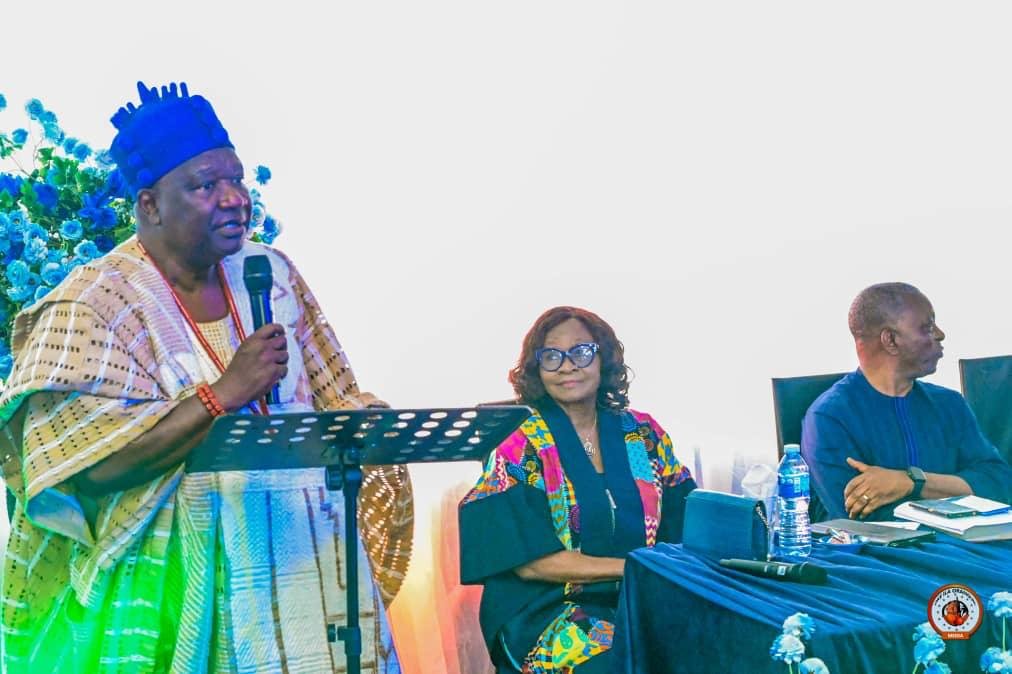
The Orangun of Oke-Ila, Osun State, Oba Adedokun Abolarin, has called for a fundamental reform of Nigeria’s education and assessment systems to ensure that children with special educational needs are properly identified, supported and given equal opportunities to realise their potential.
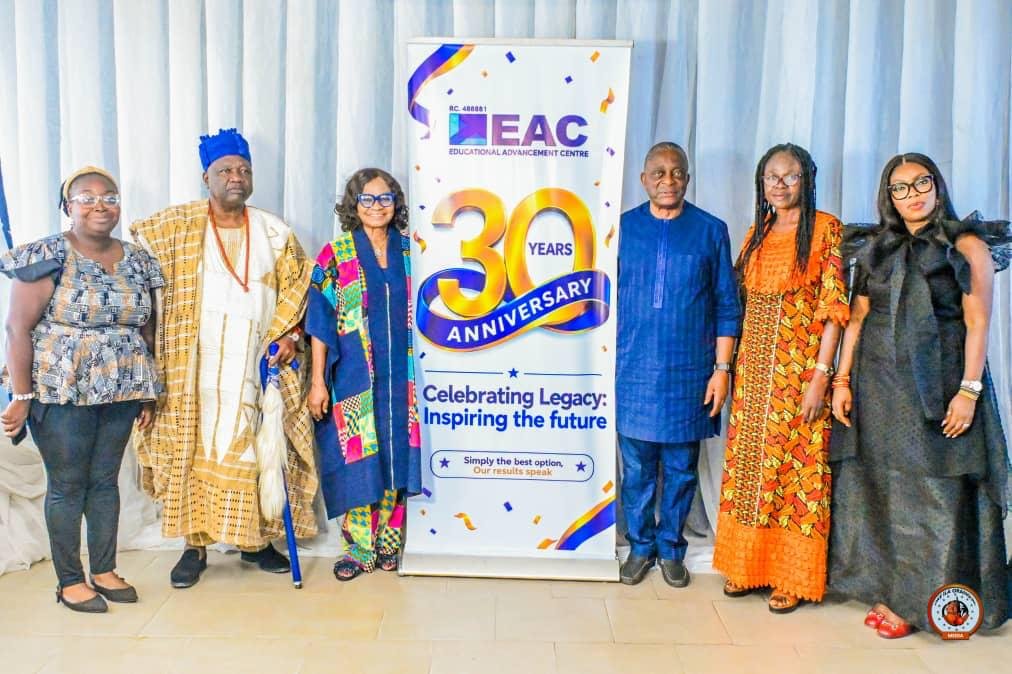
The monarch made the call on Friday while speaking as Special Guest of Honour at the 30th anniversary celebration of the Educational Advancement Centre (EAC), held at its headquarters in Old Bodija, Ibadan, with the theme, “Celebrating Legacy: Inspiring the Future.”
Oba Abolarin said the presentations at the event had made him realise that a student at his Abolarin College who had been identified as having learning difficulties might not have received adequate assessment or individual attention.
He said identifying a child’s learning difficulty was not enough without understanding the child’s abilities, challenges and learning environment.
The monarch said he would engage the student and his parents to determine the appropriate support required, expressing optimism that the child could still achieve significant success.
Oba Abolarin also urged government, individuals and public-spirited Nigerians to work together to improve the quality and inclusiveness of education.
He stressed that traditional rulers also had important roles to play in shaping the future of their communities, describing education and youth development as central to community development.
The monarch commended EAC for sustaining its educational interventions over three decades, urging Nigerians not to lose hope in the country.
“Don’t lose hope about Nigeria. Do, wherever you find yourself, be positive, and that’s the only way we can get things done in Nigeria,” he said.
Also speaking, the CEO-designate of EAC and a UK-based inclusion specialist, Fola Adekola, said learning difficulties should not be mistaken for intellectual inability.
Adekola, who has more than 20 years’ experience in inclusion, said children who struggle with reading, writing or other aspects of learning could excel when provided with appropriate support.
She cited her daughter, who was diagnosed with dyslexia and later graduated with a law degree, as an example of what adequate educational support could achieve.
Adekola called for greater support for children with invisible disabilities, including appropriate examination accommodations such as laptops, additional time, rest breaks and quieter examination environments.
She urged schools and authorities to stop labelling struggling children as incapable, stressing that some learners simply require different approaches to demonstrate their abilities.
Another guest lecturer, Dr Oluwabunmi Folabomi-Omole, a child and adolescent psychiatrist at the University College Hospital, Ibadan, emphasised the importance of early identification and intervention.
Folabomi-Omole said teachers, parents and members of the wider community should be equipped to recognise signs of learning and behavioural difficulties so that affected children could be referred for timely intervention.
She also called for government policies that would make classrooms and examination environments more accommodating through technological aids, additional time, regular breaks and other appropriate concessions.
Earlier, EAC co-founder, Pastor Muyiwa Bamgbose, said the organisation’s 30-year journey had been challenging but rewarding, particularly in promoting new approaches to education.
Bamgbose called for a rethink of conventional assessment systems, arguing that examination performance should not be regarded as the sole measure of a child’s potential.
He urged examination bodies, including the West African Examinations Council, National Examinations Council and Joint Admissions and Matriculation Board, to provide appropriate accommodations for candidates with special educational needs.
According to him, additional time, quieter examination spaces and rest breaks could enable some candidates to demonstrate their actual abilities without lowering academic standards.
Bamgbose stressed that inclusive assessment was about recognising differences in learning and neurological capacities and ensuring that every child had a fair opportunity to succeed.
He said the EAC’s next phase would focus increasingly on shaping the future of education through its Education Futures Forum.
About The Author