
Experts, Oyo govt demand urgent healthcare, policy reforms to curb preventable child deaths
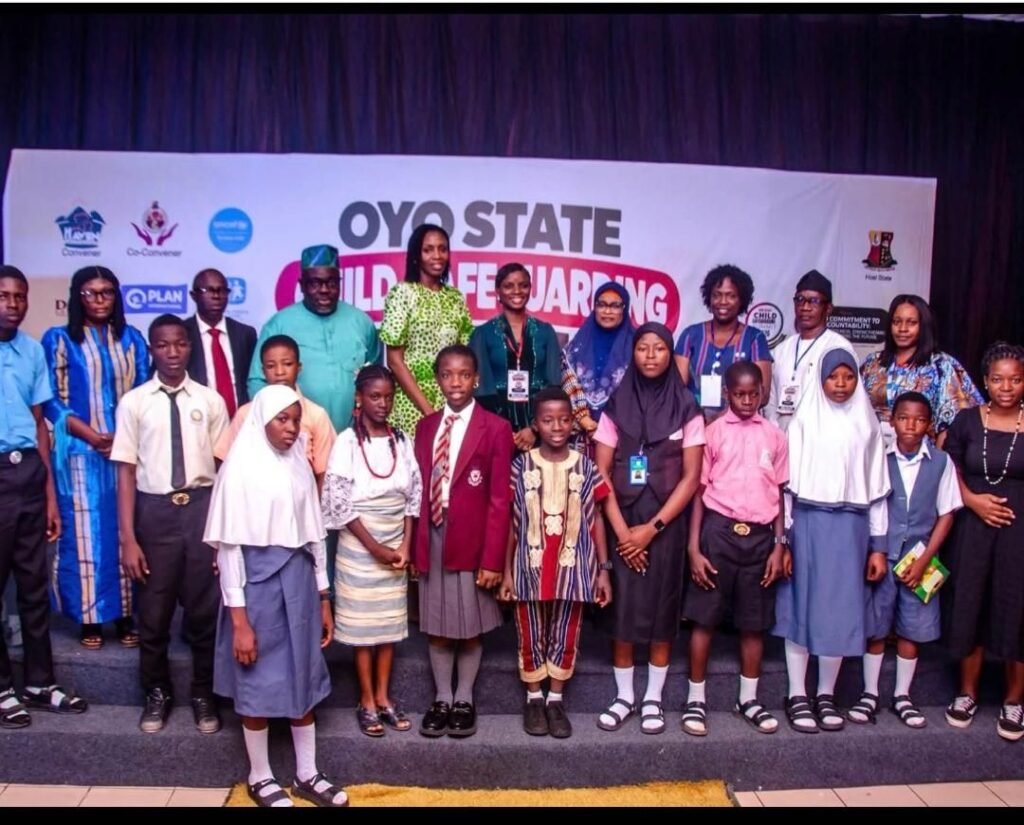
IBADAN — Stakeholders at the third Oyo State Child Safeguarding Summit organized by Haven Initiative for Women and Children Development and Safety ( HIWCDS) have warned that weak primary healthcare systems, poor immunisation coverage, and gaps in policy enforcement continue to expose Nigerian children to preventable deaths and abuse.
A paediatrician and head. Department of infectious Disease , UCH, Ibadan Dr Olukemi Adekanmbi in her keynote address at the event declared that protecting children from vaccine-preventable infectious diseases must be treated as a fundamental pillar of child safeguarding.
Citing the Federal Ministry of Health’s Nigeria Child Survival Action Plan, Adekanmbi noted that infectious diseases—led by malaria and diarrhoeal illness, followed by pneumonia and meningitis—remain the leading causes of death among children aged one month to five years.
She also referenced the 2024 Nigeria Demographic and Health Survey, which revealed that only 39 per cent of children aged 12 to 23 months nationally had received all basic vaccinations, while 31 per cent had received no vaccinations at all.
Adekanmbi cautioned against blaming parents for missed vaccinations or delayed hospital visits, arguing that structural failures such as transport costs, interrupted vaccine supply chains, understaffed primary health centres, counterfeit drugs, and unaffordable care often remain bottlenecks.
“A child should not have to be unusually fortunate to survive a preventable disease. Their safety should not depend on the distance between home and hospital, the income of their parents, or the strength of their connections,” she said.
She urged the Oyo State Government and health institutions to commit to five practical actions: strengthening routine and catch-up immunisation for zero-dose children, enforcing water and sanitation standards in schools and clinics, funding frontline health workers and universal child healthcare, building community partnerships, and tracking actual health outcomes rather than holding events.
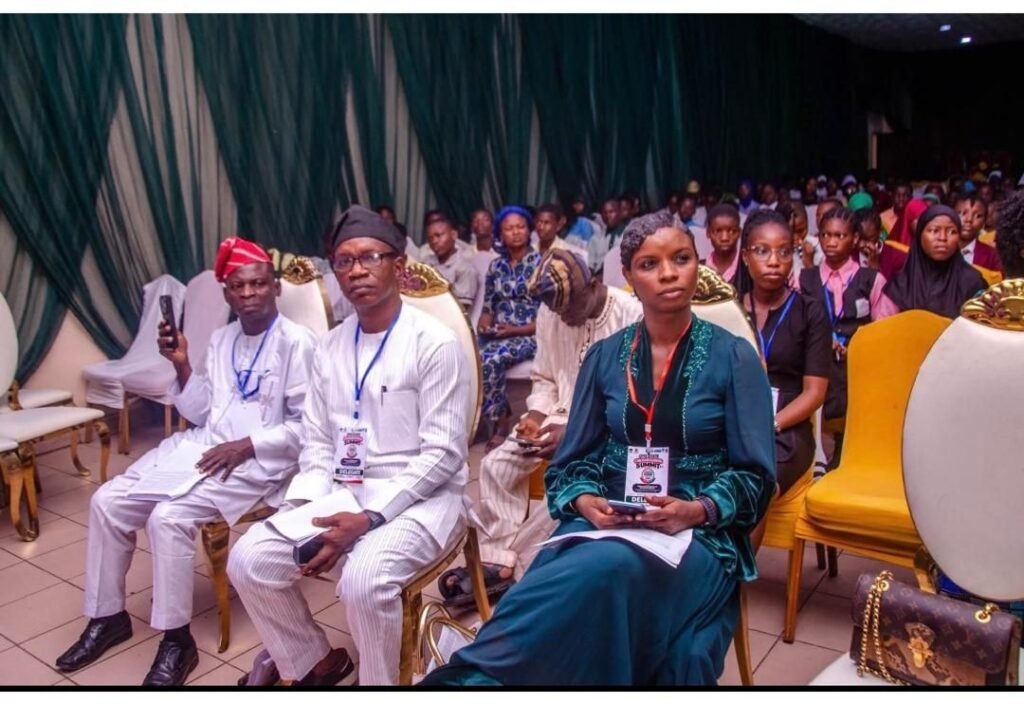
The Oyo State Commissioner for Women Affairs and Social Inclusion, Alhaja Faosat Joke Sanni while speaking at the summit, themed “From Commitment to Accountability: Measuring Progress, Strengthening Systems, Securing the Future,” called for a decisive shift from policy declarations to measurable institutional accountability.
The Commissioner said the administration of Governor Seyi Makinde was working with ministries, security agencies, and civil society groups to finalise a comprehensive Oyo State Child Safeguarding Policy, alongside enforcing the Child Rights Law and the Oyo State Alternative Care Guidelines.
While welcoming the introduction of the Oyo State Safeguarding Accountability and Action Programme (OSAAP) to track post-summit targets, she maintained that responses to child abuse must be driven by functional multi-agency systems rather than personal connections.
The Director of Community Development in the Ministry of Women Affairs and Social Inclusion and Chairman of the Child Safeguarding Policy Formulation Committee, Mr. Gbemileke Ojerinde, presenting the Oyo State Child Safeguarding Progress Report 2024–2026: Achievements, Gaps and Priorities, said the establishment of the state’s Child Safeguarding Technical Working Committee in 2025 was a major milestone in strengthening institutional coordination and accountability.
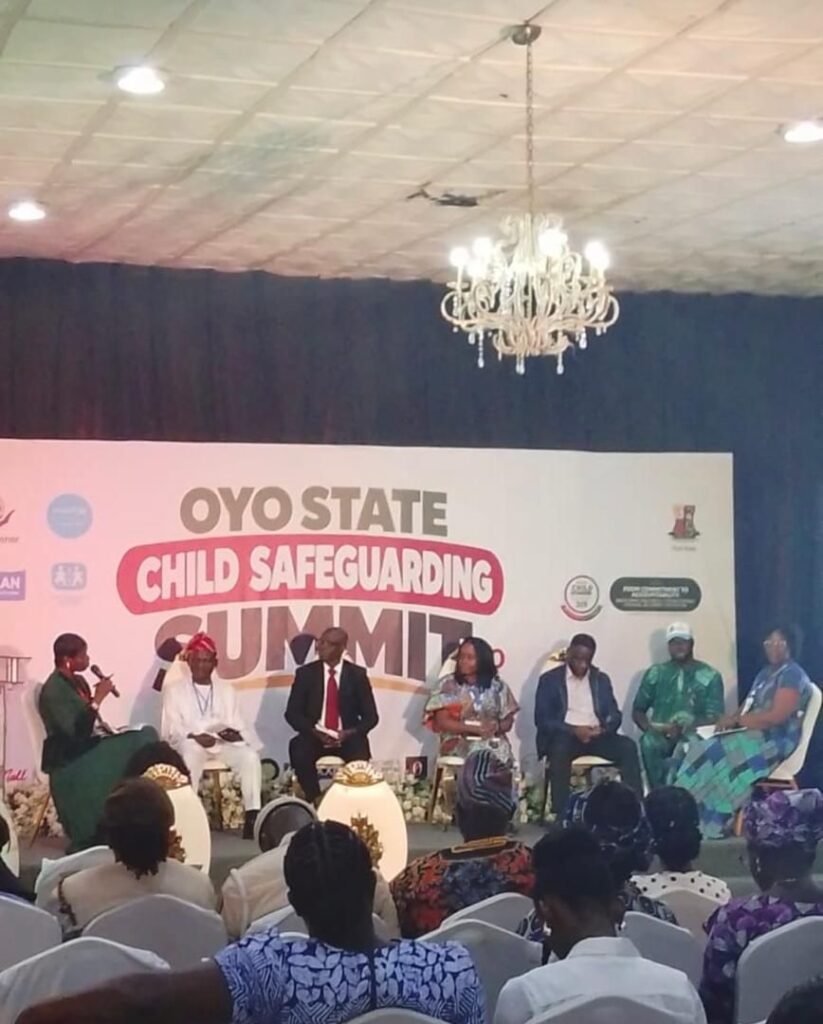
He explained that the committee, initially inaugurated as an 11-member body, had been expanded to 15 members to provide technical guidance, facilitate stakeholder engagement and advance the state’s child protection agenda.
In a goodwill message, the Director-General of the Development Agenda for Western Nigeria (DAWN) Commission, Dr. Seye Oyeleye, commended the state government and organisers for sustaining the summit.
Oyeleye said the summit’s theme, “From Commitment to Accountability: Measuring Progress, Strengthening Systems, Securing the Future,” marked an important shift towards assessing the actual results of child protection interventions.
While he said that the safe rescue of the abducted Oriire school pupils and their teachers demonstrated the importance of protecting vulnerable members of society, he stressed that stakeholders must establish what had changed, how progress could be measured and who should be held accountable when safeguarding responsibilities were not fulfilled.
Earlier in her welcome address, the Executive Director of Haven Initiative for Women and Children Development and Safety (HIWCDS), Mrs Omotayo Adebayo, a Child Safeguarding Expert revealed that the draft Oyo State Child Safeguarding Policy was currently undergoing review by an 15member Technical Working Committee inaugurated by the state government in 2025 with support from UNICEF.
According to her, a four-member Core Policy Drafting Committee had completed three technical sittings ahead of the finalisation of the framework.
Adebayo, whose organisation convened the summit in collaboration with the Ministry of Women Affairs and partners including UNICEF, Plan International, and the DAWN Commission, warned that committees and draft documents alone would not guarantee children’s safety.
“Having a committee does not automatically guarantee protection; developing a policy does not automatically translate into safety,” she said.
Commemorating World Children’s Day under the theme “My Day, My Rights, My Future,” the organisers also created a dedicated session for children in attendance to share their perspectives on what a safe Oyo State should look like.
About The Author