
2027 ELECTIONS: TIKTOK, NUJ, CODE FOR AFRICA TRAIN 150 JOURNALISTS ON FACT-CHECKING

By Temilade Aloko
As Nigeria prepares for the 2027 general elections, journalists have been urged to strengthen their fact-checking skills, embrace technology responsibly and guard against misinformation capable of misleading the public and undermining democracy.
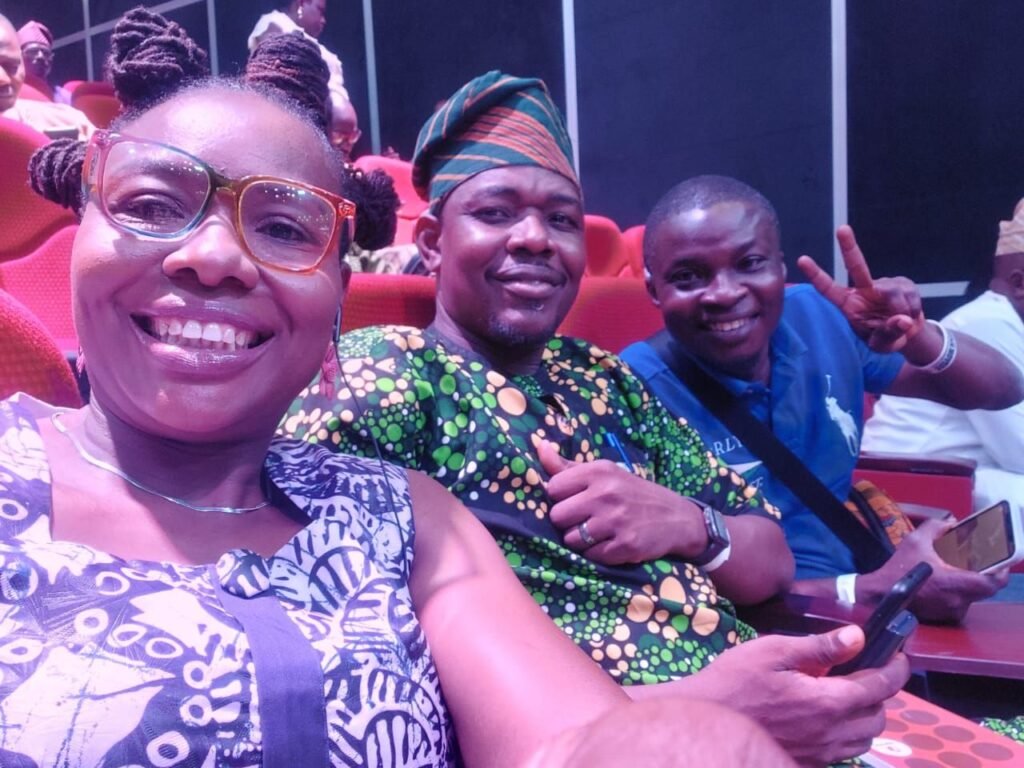
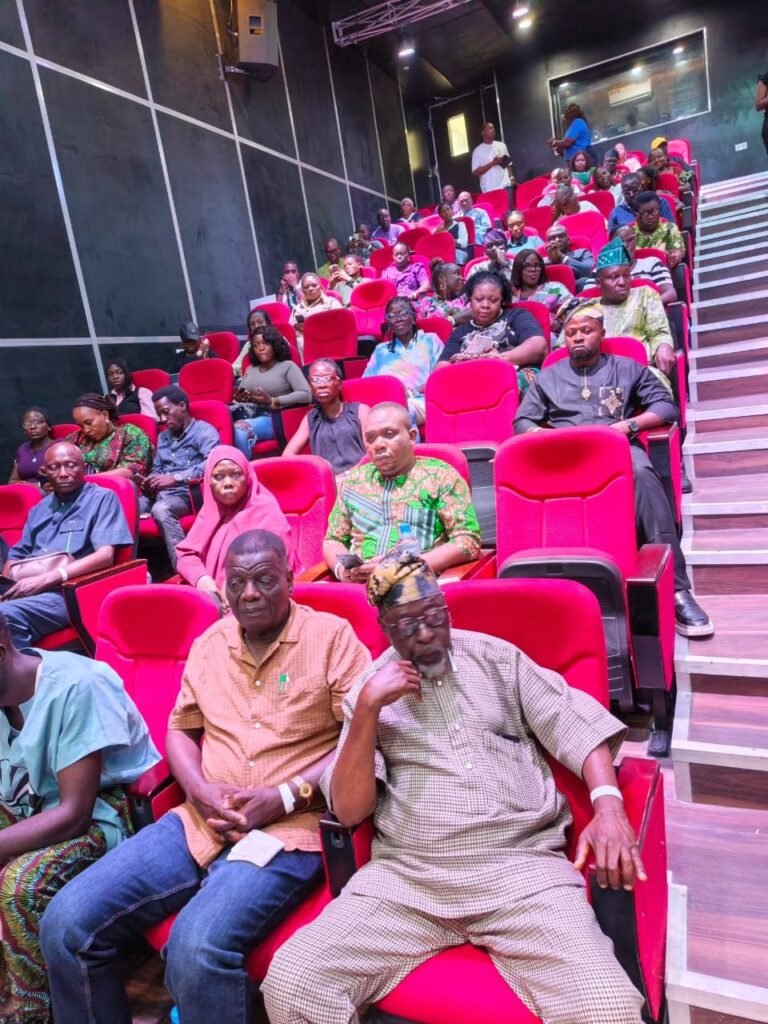
The call was made at a media training workshop organised by TikTok in partnership with the Nigeria Union of Journalists (NUJ), Oyo State Council, and Code for Africa in Ibadan.
The workshop brought together approximately 150 journalists to discuss misinformation, digital safety, election reporting and responsible use of social media.

Speaking at the event, Oyo State NUJ Chairman, Comrade Akeem Abass, urged journalists to verify information, authenticate digital materials and thoroughly investigate political claims before publication.
He warned against the use of the media to promote political manipulation, ethnic division and religious antagonism ahead of the elections.
Abass also stressed that adopting artificial intelligence in journalism must not mean surrendering editorial judgment.
“Our adoption of artificial intelligence is not a surrender of editorial judgment. Our presence on social media is not in contradiction with our responsibility to society,” he said.
He noted that digital platforms provide opportunities for journalists to expand their reach and serve the public better, but insisted that accuracy and truth must remain the foundation of journalism.
“The future of journalism is digital, but its soul must remain truthful,” he declared.
He commended TikTok for the partnership and its investment in journalists’ professional development.
The Head of Communications for TikTok in Sub-Saharan Africa, Keagile Makgoba, described the training as an introduction to understanding the platform, its features and opportunities for journalists.
Under its “TikTok 101” session, she discussed the platform’s operations, community guidelines, election safety and efforts to combat misinformation.
Makgoba announced TikTok’s commitment to a longer-term partnership with the NUJ, promising additional workshops and specialised training for journalists across different sectors.
She explained that although TikTok provides the platform, its users and communities contribute to the content created and shared.
Addressing concerns about content removal and allegations of shadow banning, she said TikTok’s Community Guidelines provide the basis for moderating content and protecting users.
She disclosed that the guidelines are reviewed every one to two years to accommodate emerging threats, changing social realities and new forms of harmful content.
According to her, the review process involves consultations with experts, non-governmental organisations, regulators and other stakeholders across different countries.
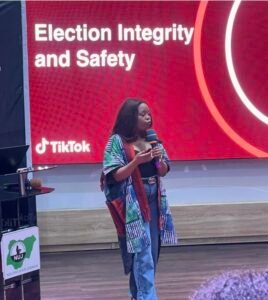
Addressing the use of TikTok during elections, Makgoba said political candidates and parties are allowed on the platform but are subject to additional restrictions.
She disclosed that TikTok does not accept payment from political parties or politicians for campaign advertising.
She also explained that political accounts have specific enforcement and monetisation restrictions, including limitations on benefits from gifts received during LIVE sessions.
Makgoba said the platform has systems for identifying coordinated activities aimed at manipulating public opinion and influencing election outcomes.
She acknowledged, however, that technology platforms cannot identify every instance of misinformation immediately, making collaboration with journalists and independent fact-checkers important.
She also disclosed that TikTok removed 4,378,587 videos in Nigeria between April and June 2026 for violating its Community Guidelines.
According to figures presented at the workshop, 91.7 per cent of the videos were removed within 24 hours, while 99.8 per cent were identified and removed proactively.
She further highlighted TikTok’s collaboration with organisations, including INEC and DUBAWA, to promote access to verified electoral information.

The practical fact-checking session was facilitated by Martins Ayotunde of Code for Africa, who warned journalists about the growing sophistication of misinformation.
He explained that digital content could appear genuine while being completely false, urging journalists to establish the original source of videos and other materials before publication.
Ayotunde also warned that political jokes and satire could be misunderstood and circulated as factual information, even when the original creator did not intend to mislead.
He drew attention to the possibility of fabricated reports emerging ahead of the 2027 elections, including false claims that prominent political candidates had withdrawn from the race.
He advised journalists to ask important questions when confronted with viral content: Who originally published it? Is the source credible? Has the material been manipulated or taken out of context?
He emphasised that likes, comments, reposts and views do not establish the authenticity of information.
The training also addressed digital democracy, human rights protection and investigative journalism.
Discussions highlighted the importance of evidence-based investigations into human rights violations, digital fraud and online manipulation.
Participants were encouraged to promote digital literacy by helping audiences identify credible information, recognise misleading content and share verified reports.
A digital hygiene resource was also introduced, with participants encouraged to access it through a QR code provided during the session.
The workshop highlighted the growing responsibility of journalists as Nigeria approaches the 2027 general elections.
With misinformation spreading rapidly across digital platforms, journalists must ensure that the information they publish is verified and accurate.
While technology and artificial intelligence are changing the practice of journalism, professional judgment, truth and public trust must remain central to the profession.
About The Author