
Community Monitoring Team Lauds Oyo Govt. Over PHC Gains, Stakeholders Demand Action on Gaps
By Temilade Aloko
IBADAN — Efforts by the Oyo State Government to improve primary healthcare delivery have resulted in repairs, solar installations and other interventions in some health facilities, but a community-led monitoring exercise has also exposed persistent gaps in infrastructure, drug availability, sanitation, security and patient charges.
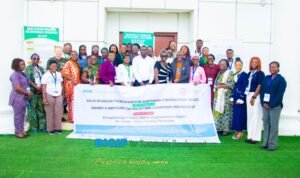
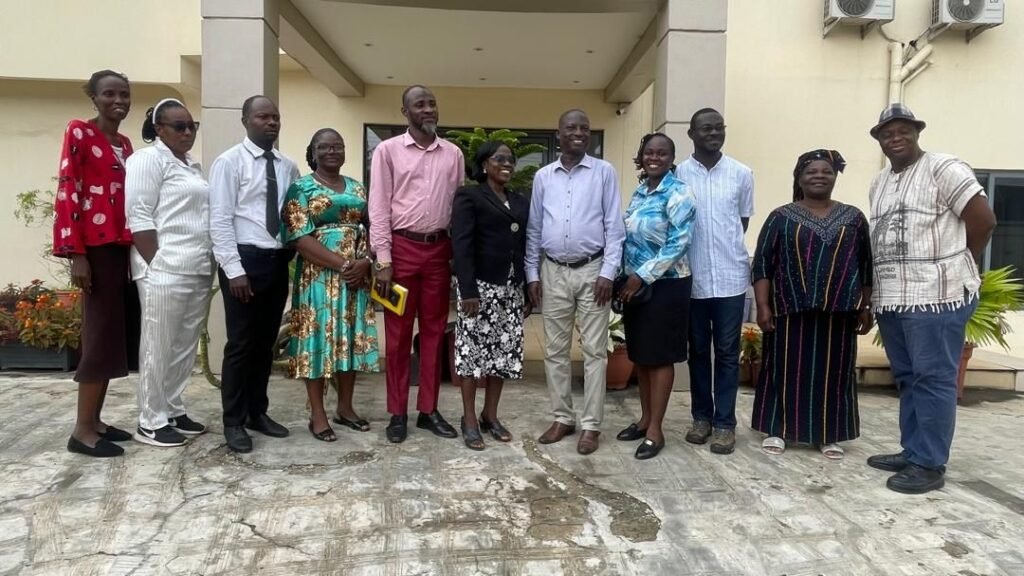
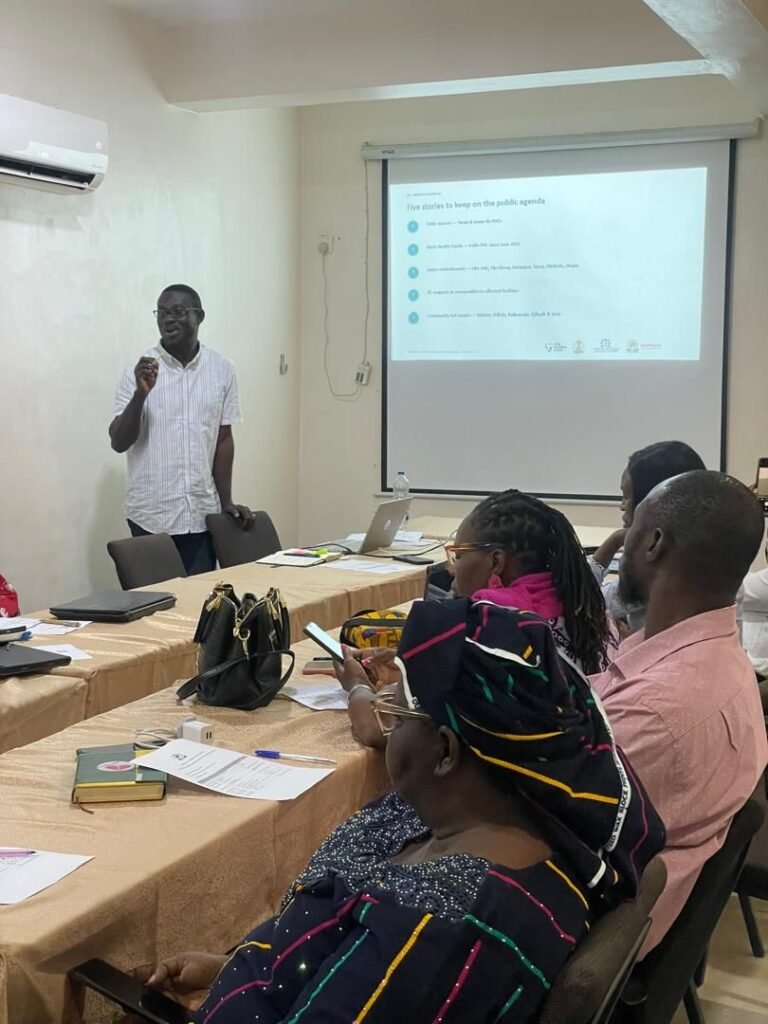
The findings were disclosed on Monday at a media roundtable on the Community-Led Monitoring (CLM) project in Ibadan, where stakeholders reviewed healthcare delivery across selected primary healthcare centres in the state.
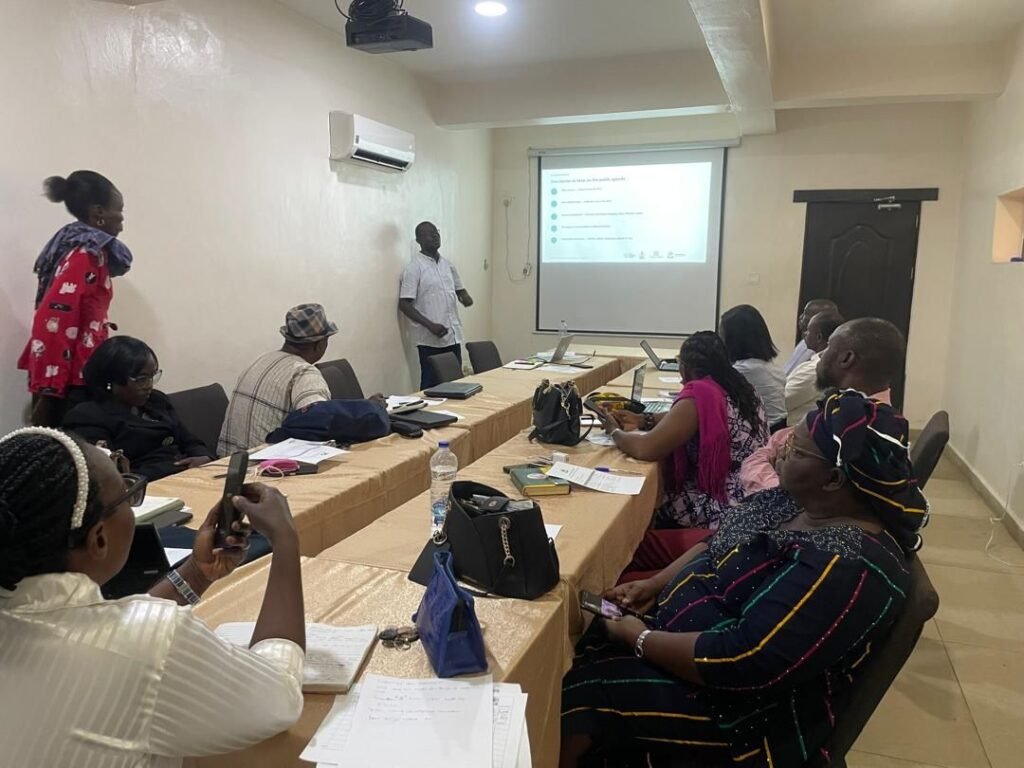
The project is implemented by three community-based organisations — Family Counselling Centre (FCC), PriHEMAC and RAPAC — under the Network of People Living with HIV and AIDS in Nigeria (NEPWHAN).
During its 11th quarter, the project mapped 30 health facilities, conducted more than 40 advocacy visits and carried out over 2,500 Client Exit Interviews to obtain feedback from
Mrs Titilade Ogunkunle, Project Coordinator, Family Counselling Centre, said approximately 2,994 clients were interviewed by the three CBOs about their experiences with healthcare services.
She said the project also educates patients about their rights and helps communities understand the Patient Bill of Rights.
“A patient has the right to know what they are being given, how they are being treated.”
Further more, the monitoring exercise has resulted in several interventions at facility and community levels.
According to the CLM report, Taraa PHC in Ogbomoso North and Irawo Ile PHC in Atisbo received solar installations following advocacy, while community members at Irawo Ile cleared overgrown bushes around the facility.
At Molete PHC, damaged windows were repaired, while a damaged signboard at Odinjo PHC was also repaired.
At Kobomoje PHC, doors in the toilet, bathroom, store and laboratory were fixed, alongside repairs to a damaged ceiling and provision of other items.
Communities also cleared the surroundings of Ajibade PHC, repaired part of a leaking roof at Sasa PHC, and worked to stop refuse dumping around the facility.
At Mokola, the WDC/Landlord Association secured land for a new health facility, while stakeholders at Akata committed to addressing a blocked or abandoned borehole.
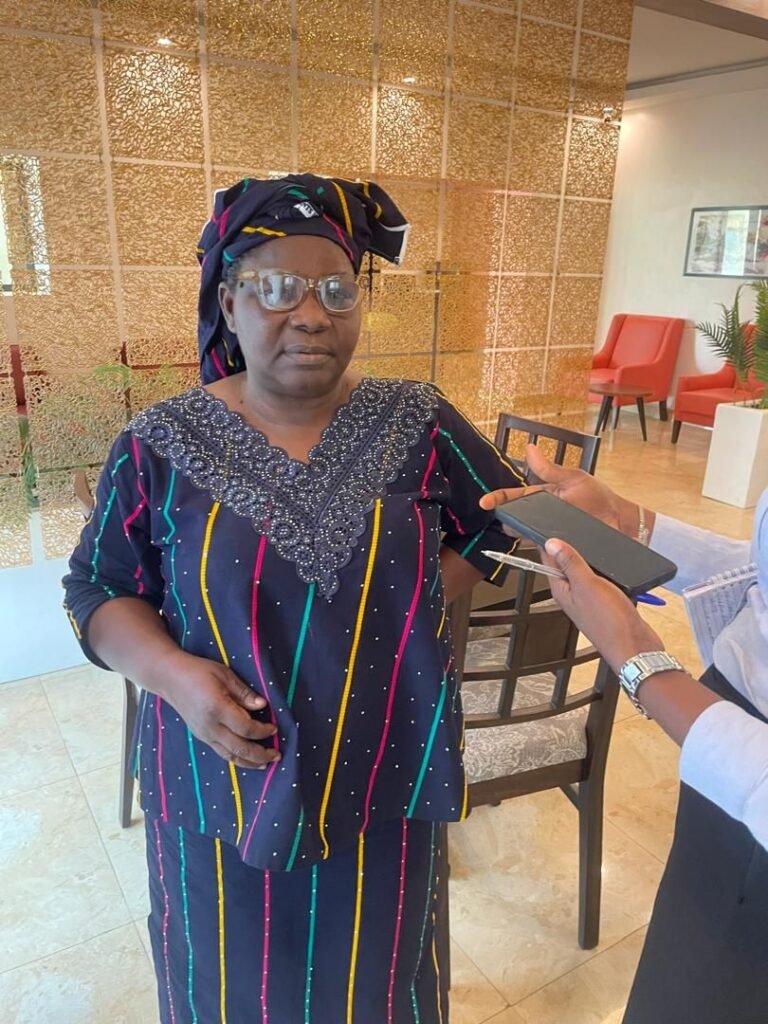
The CLM report said some issues identified through client interviews, facility assessments and supportive supervision were addressed at facility or community level, while others were escalated to state authorities.
Challenges persist
Despite these interventions, the monitoring exercise identified inadequate space, lack of electricity, poor water and sanitation facilities, drug and consumable stock-outs, complaints about DRF price lists and security concerns.
Ogunkunle said some facilities still have leaking roofs, while one facility she cited reportedly lacks a perimeter fence and toilet facilities.
She said the situation could particularly affect pregnant women who require maternity services.
While acknowledging the efforts of the Oyo State Government so far, Olatokunbo Famiesin, State Programme Officer, NEPWHAN, therefore raised concerns about the safety of healthcare workers at some facilities.
He alleged that at one facility, individuals occupying part of the premises had attempted to sexually assault nurses at night, forcing a matron to seek safety in the community.
The allegation was not independently established at the meeting, although security concerns were also identified in the CLM report.
The cost and availability of drugs also featured prominently at the meeting.
Mr Olawale Faith Abiola, State Coordinator, Oyo State Network of People Living with HIV and AIDS, raised concerns about the management of the Drug Revolving Fund (DRF) and alleged that some patients were being overcharged.
He cited an alleged case where a patient was asked to pay ₦20,000 instead of about ₦5,000.
The allegation requires further verification.
However, the CLM report independently records complaints about high DRF price lists and drug shortages.
Responding, Mrs Popoola Aderonke, HIV Desk Officer, Oyo State Primary Health Care Board, disputed the suggestion that drugs at PHCs were generally excessively priced.
She explained that prices could vary according to the brand, formulation and quantity of the drug.
Aderonke also said the Primary Health Care Board monitors facilities and sanctions workers found to have violated expected standards.
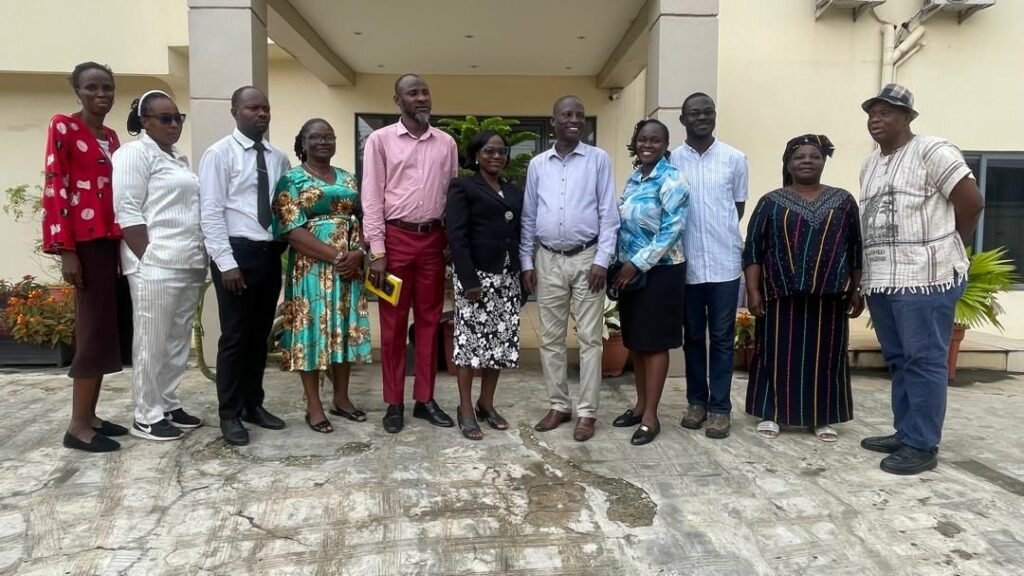
She said she was aware of two workers who had been caught and punished within the previous year.
Stakeholders commend government, seek more action
Dr Adio Oluwasegun, State Chairman, AICOMI, Oyo State, acknowledged the challenges confronting primary healthcare while commending government efforts to improve facilities and human resources.
He añso called for continued upgrading of PHCs, regular training and closer supervision of healthcare workers.
Oluwasegun also urged communities to support facilities in their areas and encouraged CBOs to continue providing government with information from the grassroots.
“When your citizen is healthy, then there will be a better development for the state.”
The CLM project also reported improved client-provider relationships, reduced reports of stigma, better tracking of drug availability and increased willingness by citizens to speak about problems in PHCs.
while seeking for a way forward, stakeholders called for stronger monitoring of PHCs, transparent drug pricing, improved drug supplies, repairs to damaged facilities, better water and sanitation, improved security and continued training of health workers.
They also stressed the need for stronger community participation and Ward Development Committees to ensure that improvements achieved through the CLM project are sustained.
The project emphasised that CLM is not intended to witch-hunt PHCs but to empower communities to take ownership.
The successes recorded — from solar installations and repairs to community-led interventions — show that evidence from patients can lead to practical action.
But the unresolved gaps also underline the need for the Oyo State Government, health authorities and communities to sustain the interventions and strengthen accountability across primary healthcare facilities.
About The Author