
IIlú’Bìnrin Deepens Breast Cancer Awareness as UCH Radiation Oncologist Calls for Early Detection, Timely Treatment and Better Access to Care
By Temilade Aloko
Ibadan-
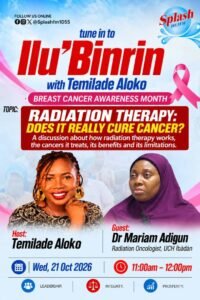
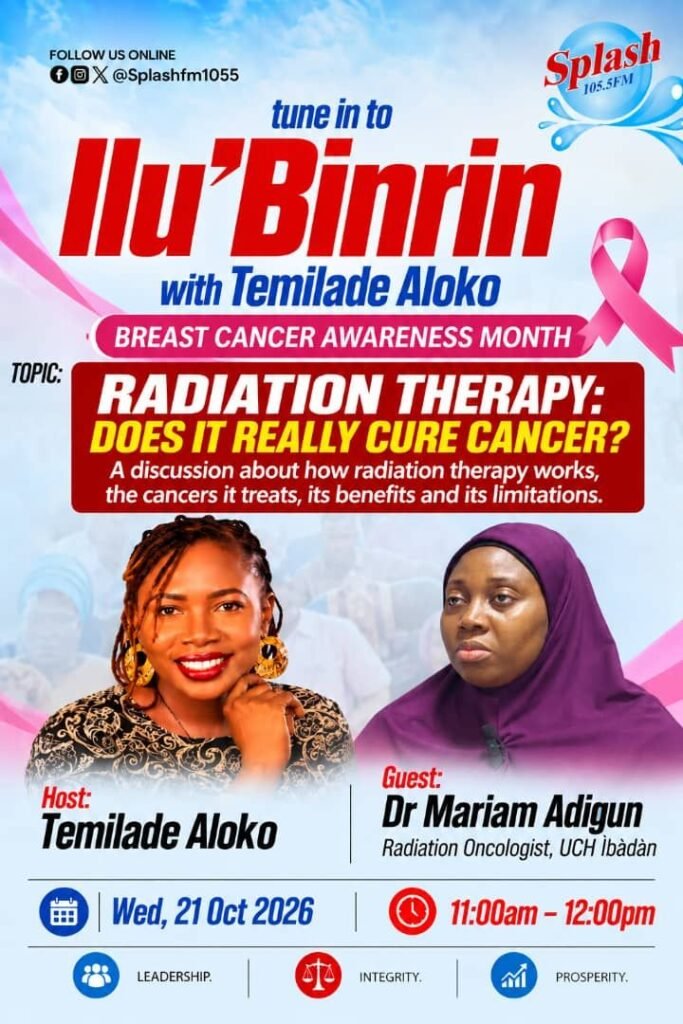
Broadcast journalist and host of Ilú’Bìnrin on Splash FM 105.5, Ibadan, Temilade Aloko, has continued the programme’s Breast Cancer Awareness Month campaign with a discussion on radiation therapy, treatment challenges and recovery, featuring Dr Mariam Adigun, a Radiation Oncologist at the University College Hospital (UCH), Ibadan.
Dr Adigun called for improved access to cancer treatment, stronger family support for patients and greater public awareness of the importance of early detection and completing prescribed treatment.
The discussion, which aired on October 21, formed part of a series of conversations organised by Ilú’Bìnrin since the awareness campaign began on October 7, with the aim of providing women and the wider public with reliable information about breast cancer, from early detection to diagnosis, treatment and recovery.
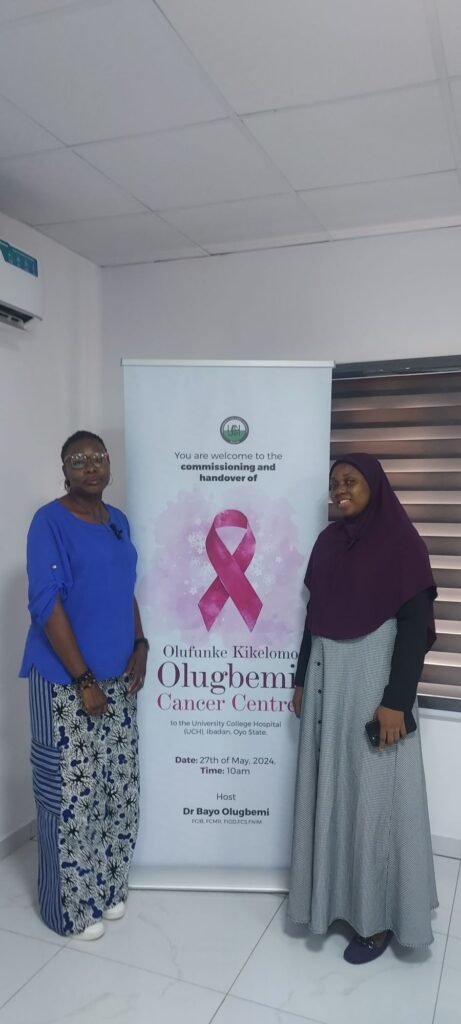
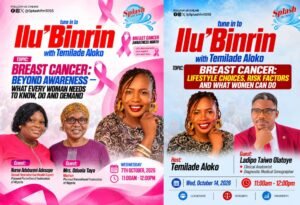
The campaign opened on October 7 with Nurse Adebunmi Adesope, a sexual and reproductive health expert, and Mrs Tayo Oduola, a matron, both from the Planned Parenthood Federation of Nigeria (PPFN). They discussed the topic, “Breast Cancer: Beyond Awareness — What Every Woman Needs to Know, Do and Demand,” highlighting the need for women to move beyond awareness to practical action, including understanding their breasts, recognising warning signs and seeking timely medical attention.
On October 14, the programme featured Ladipo Taiwo Olatoye, a clinical anatomist and diagnostic medical sonographer, who spoke on “Breast Cancer: Lifestyle, Risk Factors and What Women Can Do.” The discussion examined lifestyle considerations, risk factors and practical steps women can take to protect their health, while emphasising the importance of appropriate screening and medical assessment.
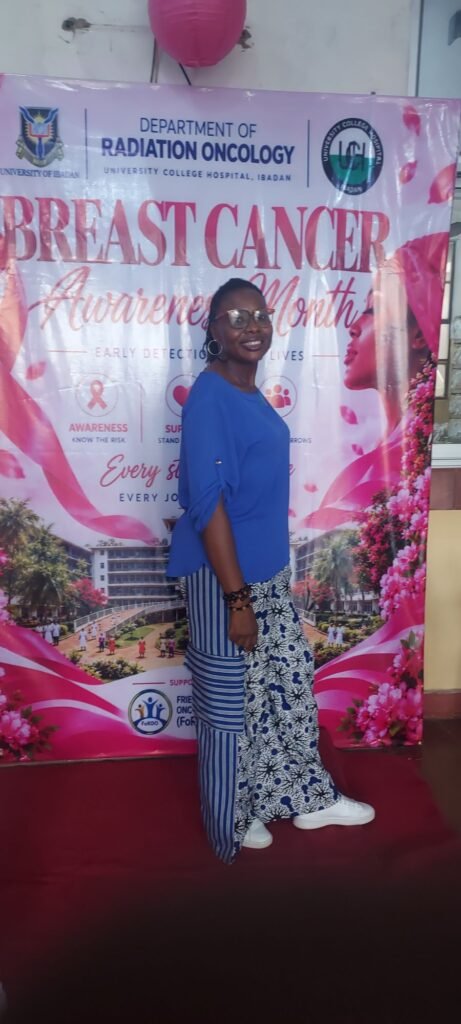
Continuing the series, Dr Adigun explained the role of radiation therapy in breast cancer treatment, its possible side effects, advances in cancer care and the challenges confronting patients and healthcare providers.
She explained that radiation therapy is an important component of breast cancer treatment for eligible patients, helping to destroy cancer cells and reduce the risk of the disease returning. However, the type and combination of treatment required depend on the nature and stage of the cancer, as well as the individual patient’s clinical condition.
Dr Adigun stressed the importance of proper diagnosis before treatment, noting that histology, which involves examining tissue samples to determine the type of cancer, is essential in guiding doctors towards the most appropriate treatment. She also highlighted the importance of additional tests that help establish the characteristics of a tumour and determine whether targeted therapy or other treatment options may be suitable.
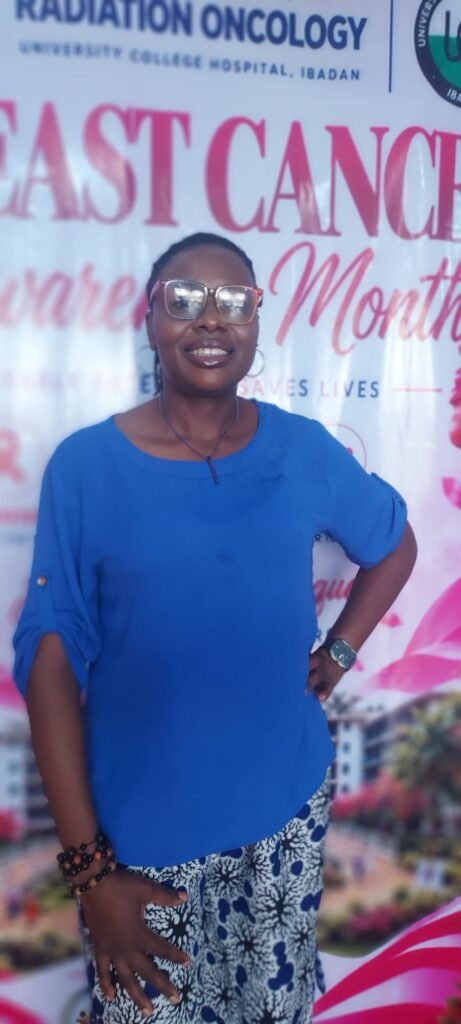
The radiation oncologist noted that advances in cancer diagnosis, medicines and treatment equipment have improved the prospects of care. She, however, called for the wider availability of modern cancer treatment technologies across the country, particularly at UCH, Ibadan, which serves patients from different parts of Nigeria.
According to her, the high cost of cancer treatment remains a major challenge, forcing some patients to discontinue treatment despite the progress they may have made. While acknowledging government efforts to reduce the financial burden through existing support initiatives, she said more intervention was needed to ensure that patients could access and complete the treatment prescribed for them.
She appealed to the government to strengthen financial support for cancer care, improve access to essential medicines and ensure that modern treatment facilities are available to more Nigerians.
The oncologist also addressed concerns about the side effects of radiation therapy, explaining that patients may experience treatment-related effects that require proper medical attention. She encouraged patients to report any discomfort to their healthcare providers so that appropriate measures could be taken to manage the effects and support their recovery.
She cautioned against misconceptions that radiation therapy indiscriminately destroys all the body’s cells, explaining that the treatment is carefully planned and directed towards the intended treatment area. She urged patients to seek accurate information from qualified healthcare professionals rather than allowing fear and misinformation to influence their decisions.
Dr Adigun further warned against abandoning prescribed treatment, emphasising that completing the recommended course is important for achieving the intended treatment outcome. She acknowledged, however, that financial hardship is a significant reason some patients are unable to continue their treatment.
On available financial support, she drew attention to initiatives such as the Cancer Health Fund and health insurance schemes, including the National Health Insurance Scheme and its successor arrangements under the National Health Insurance Authority. She also noted that pharmaceutical companies sometimes provide assistance with cancer medicines. Patients, she advised, should ask their hospitals and relevant health authorities about current eligibility requirements and available support.
The radiation oncologist encouraged women to become familiar with their breasts and seek medical assessment when they notice unusual changes. She also recommended that women aged 40 and above discuss mammography screening with qualified healthcare professionals, taking into account their individual risk factors and applicable screening guidance.
Beyond medical intervention, Dr Adigun emphasised the role of nutrition and family support in the cancer care journey. She encouraged people to eat a balanced diet that includes fruits and vegetables as part of a healthy lifestyle, while clarifying the importance of following professional medical advice throughout treatment.
She said the emotional wellbeing of patients should not be overlooked, noting that families have an important role to play once a cancer diagnosis is established. According to her, consistent encouragement and practical assistance can give patients the strength to cope with the demands of treatment.
She explained that patients at the Department of Radiation Oncology, UCH, receive information and guidance at different stages of their treatment, including before and after treatment. She also highlighted the role of psycho-oncology services in providing emotional and psychological support, alongside regular encouragement to help patients remain committed to their treatment plans.
Dr Adigun challenged the perception that a cancer diagnosis is automatically a death sentence, noting that the department has recorded cases of patients who survived the disease. She said outcomes depend on several factors, including the type and stage of cancer, timely diagnosis, access to appropriate treatment and adherence to medical advice.
She also observed that disparities in access to screening, diagnosis and effective treatment contribute to poorer outcomes in resource-constrained settings. While cancer affects people across racial groups, she stressed the need to address the gaps in healthcare access that leave many patients in Nigeria at a disadvantage.
Through the continuing campaign, Ilú’Bìnrin is encouraging women to take informed steps towards protecting their health while promoting conversations about the challenges faced by people living with breast cancer. The programme also seeks to challenge stigma and misinformation, while reminding families, communities and policymakers of their roles in supporting patients and improving access to care.
Ilú’Bìnrin is hosted by Temilade Aloko on Splash FM 105.5, Ibadan.
About The Author