
Tafita’s Candidacy Gets Women’s Boost as Market Women Present Charter of Demands
By Temilade Aloko
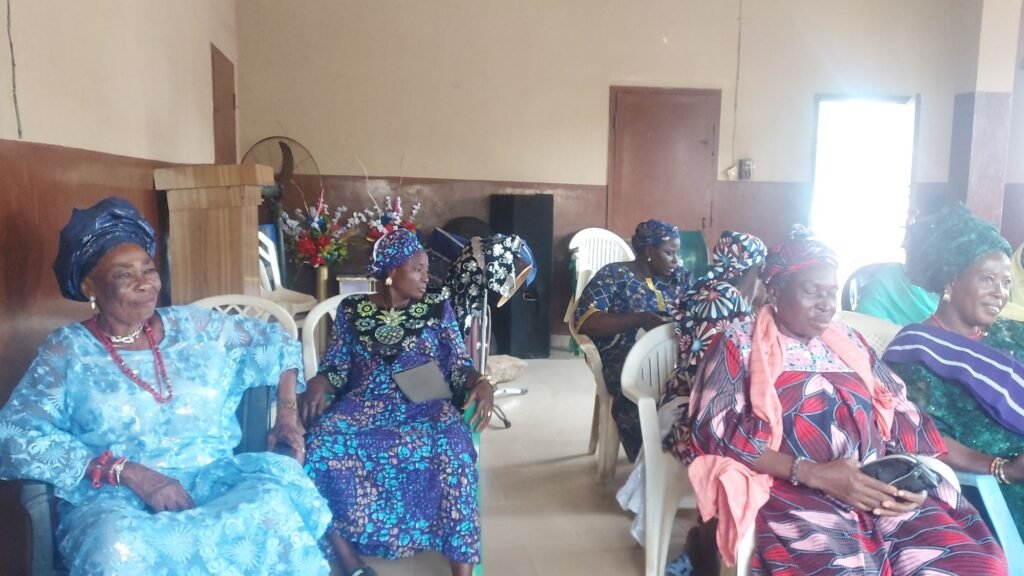
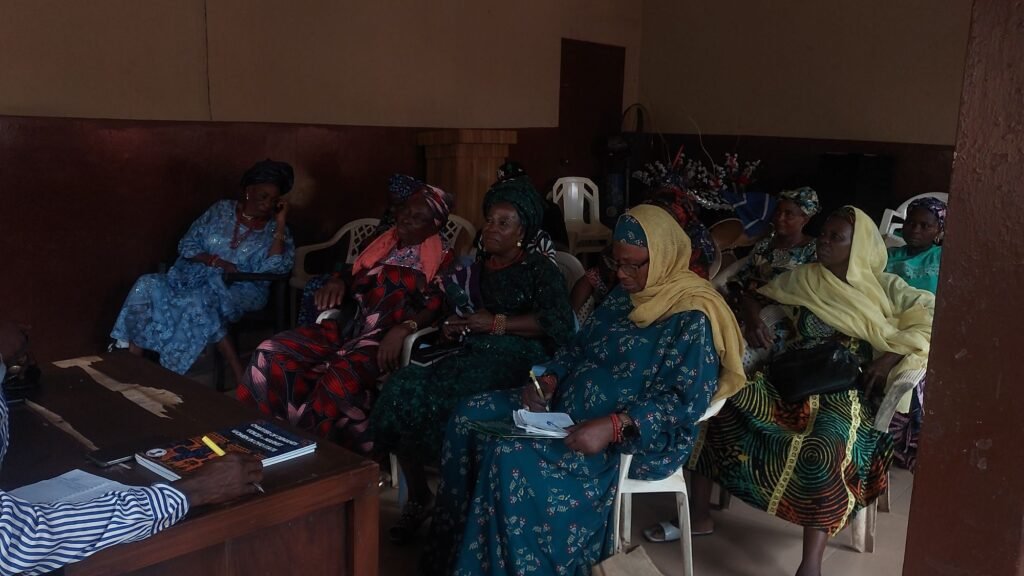
The Coalition of Oyo State Market Women Associations has paid an advocacy visit to the African Democratic Congress (ADC) candidate for the House of Representatives for Ibadan North Federal Constituency, Dr. Mrs. Folake Morenike Tafita, seeking areas of collaboration and support towards strengthening women’s participation in politics and leadership.
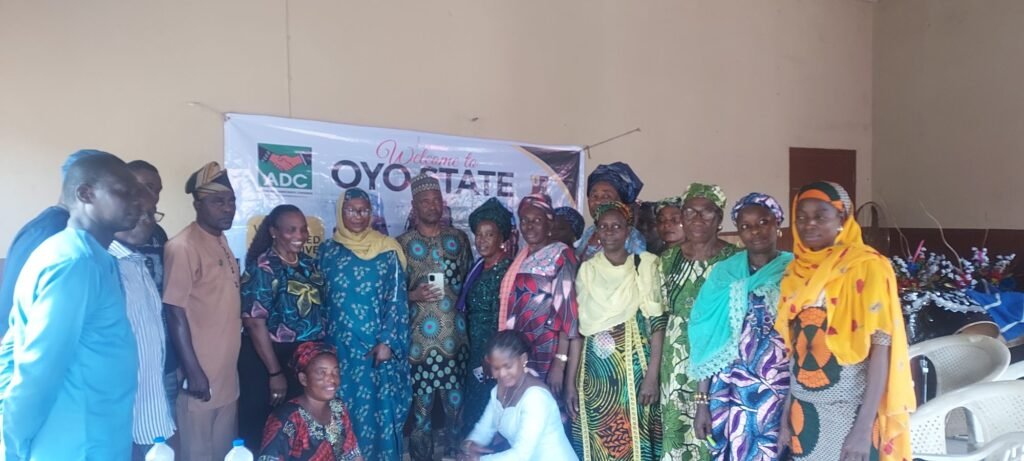
The delegation, led by the Executive Director of the Iyamapo Centre for Peace, Women and Youth Development (CPWYD), Mrs. Sherifah Taleat-Arafat, included market women leaders, particularly from Ibadan North, where Tafita is seeking to represent the constituency.
Speaking on the purpose of the visit, Taleat-Arafat said the engagement was part of the coalition’s advocacy efforts to encourage women to participate actively in politics and support women who are contesting for elective positions.
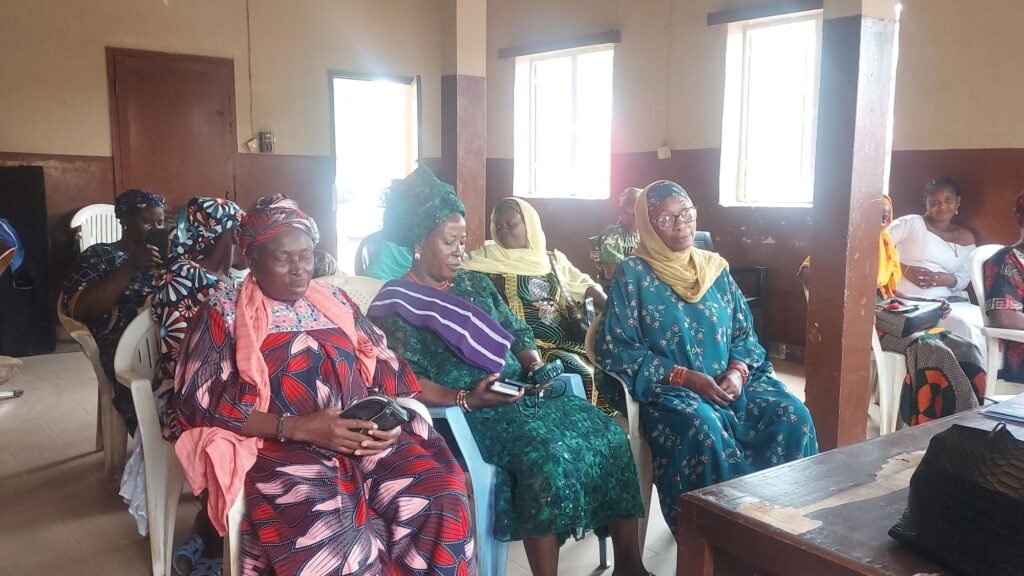
She explained that the coalition was established to advocate for women’s political participation and leadership, particularly at the grassroots, where women constitute a significant part of the electorate and community leadership structure.
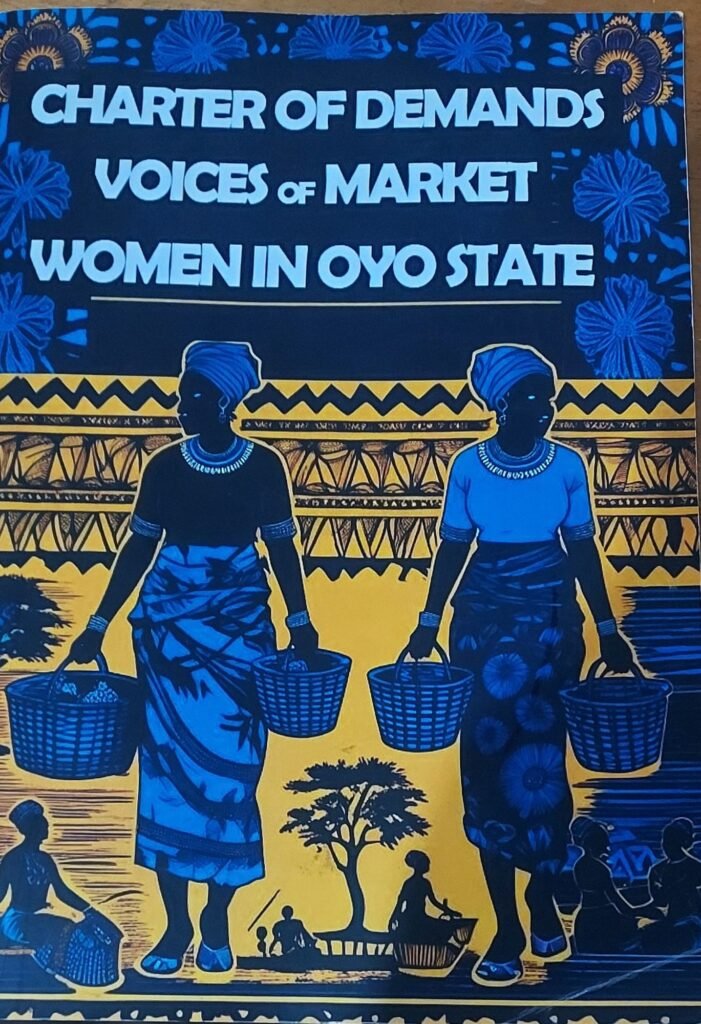
According to her, the organisation’s research into the factors limiting women’s participation in politics and leadership had led to the development of a Charter of Demands.
She said the charter was designed to serve as a framework for engaging women candidates and encouraging them to make clear commitments to issues affecting women and their communities if elected.
Taleat-Arafat also urged women candidates to make their campaigns issue-based, rather than relying solely on political rhetoric, personalities or electoral promises.
She noted that the coalition was particularly concerned about the increasing politicisation of some traditional positions historically occupied by women, such as the Iyalode and Iyaloja, which she said should remain important platforms for community leadership and women’s representation.
Tafita: Women Must Be Part of Decision-Making
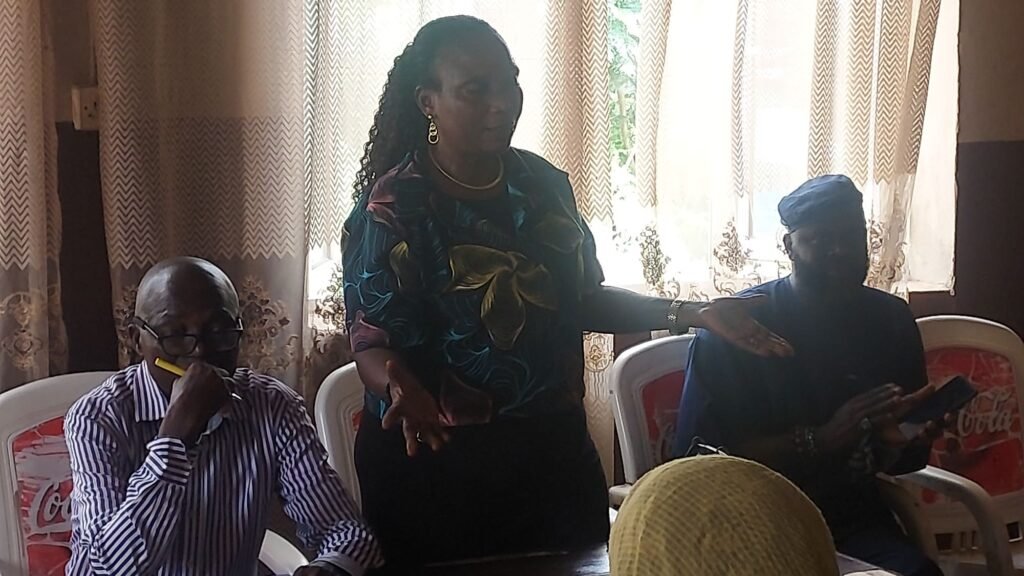
Responding to the delegation, Tafita expressed appreciation for the visit and described women’s participation in politics as essential to the development of society.
An indigene of Ibadan from Oluwonran Compound, Isale Ijebu, Tafita said she was encouraged by the increasing number of women becoming involved in politics, although she noted that their participation was still far below what she would like to see.
A member of Ward 11 of the ADC, she lamented the limited representation of women in political institutions, particularly at the national level.
Tafita explained that her decision to venture into partisan politics was largely motivated by the absence of sufficient female voices in the National Assembly and other critical decision-making institutions.
According to her, when women are absent from places where important decisions are made, policies may continue to overlook issues that directly affect women and families.
She argued that women must therefore move beyond participating in political activities merely as supporters of male politicians.
«“Women should participate in politics beyond dancing around politicians.”»
Tafita said women had historically played important roles in governance and decision-making long before the introduction of Western democracy.
She recalled the traditional political structures in which women held influential positions, citing the Iyalode and Iyaloja institutions as examples of women’s longstanding leadership roles within Yoruba society.
She said the current political environment provides another opportunity for women to reclaim their place in leadership.
“It is time for women to rise up. It is not a competition with men. Women also need to participate in politics,” she said.
According to her, no country can achieve meaningful development without the active participation of both men and women in governance.
‘Women Are Born Leaders’
Tafita also spoke about the leadership abilities of women, describing them as people capable of managing multiple responsibilities simultaneously.
She noted that women already demonstrate leadership within their homes, workplaces and communities and should be encouraged to bring those abilities into political governance.
“Women are special species. We can multitask and manage both the home and the people around us. Women are born leaders,” she said.
She added that Nigerians had witnessed what male political leaders had done over the years and that women should now be given greater opportunities to demonstrate their own capacity.
“We have seen what the men are doing; let us see what women can do also,” she said.
From Legal Research to Politics
Tafita explained that her entry into politics was not driven by a conventional political career but by years of advocacy, legal research and concern about women’s issues and underdevelopment.
She said she had worked with several non-governmental organisations and had been involved in advocacy on women’s rights and other social issues long before becoming a political candidate.
She also recalled her work with the late Baba Onibokun, during which she said she wrote three books, including You and Your Constitution, Know Your Rights, and another publication on democracy supported by the European Union for grassroots mobilisation and democratic participation.
A legal scholar and Associate Professor in the Faculty of Law, University of Ibadan, Tafita said her experience in research and advocacy had exposed her to some of the challenges confronting women and underserved communities.
She stressed that these experiences, rather than personal political ambition alone, influenced her decision to seek elective office.
‘Money Is One of the Major Barriers’
Tafita identified lack of financial resources as one of the major factors limiting women’s participation in Nigerian politics.
According to her, women generally have less access to the financial resources required to compete effectively in an electoral system where money plays a significant role.
She, however, said the ADC provides opportunities for women to participate and seek elective positions.
Tafita, who is contesting the Ibadan North Federal Constituency seat, said she appreciated the resilience and determination of women who continue to participate in politics despite the challenges.
She promised that if elected, she would not go into office to squander public resources but would use the opportunity to create opportunities for others and lift as many women as possible.
Charter of Demands Presented
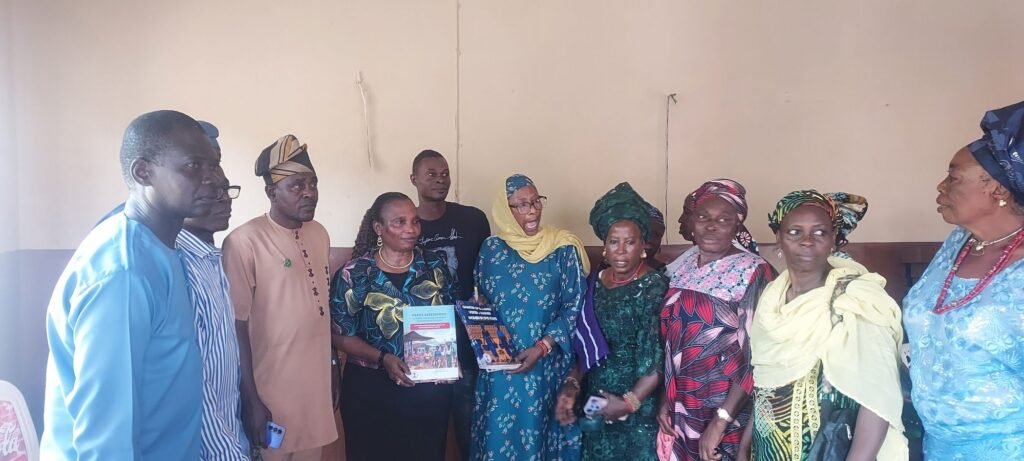
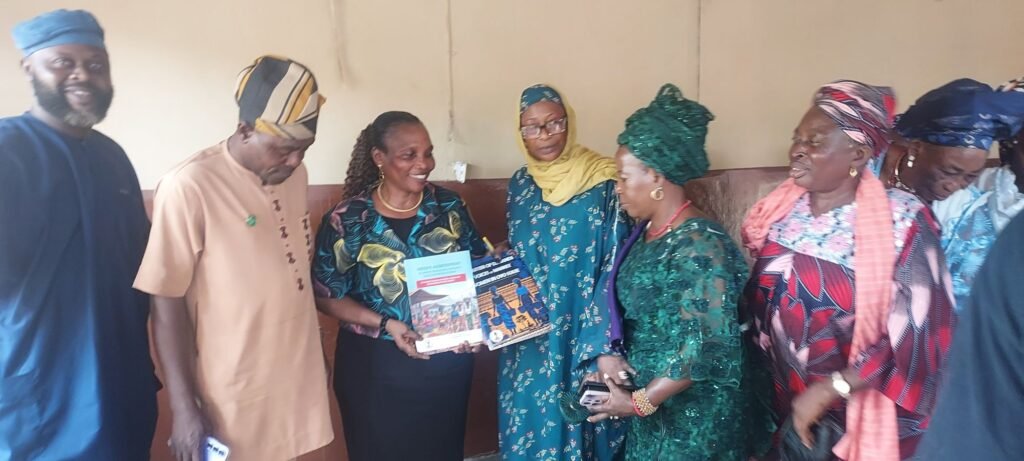
The high point of the advocacy visit was the presentation of the Charter of Demands to Tafita.
The charter is intended to provide a basis for continued engagement with women candidates and to encourage political aspirants to make concrete commitments to issues affecting women, grassroots development and inclusive governance.
The coalition also used the occasion to seek areas of collaboration with the candidate and strengthen engagement between political candidates and women at the grassroots.
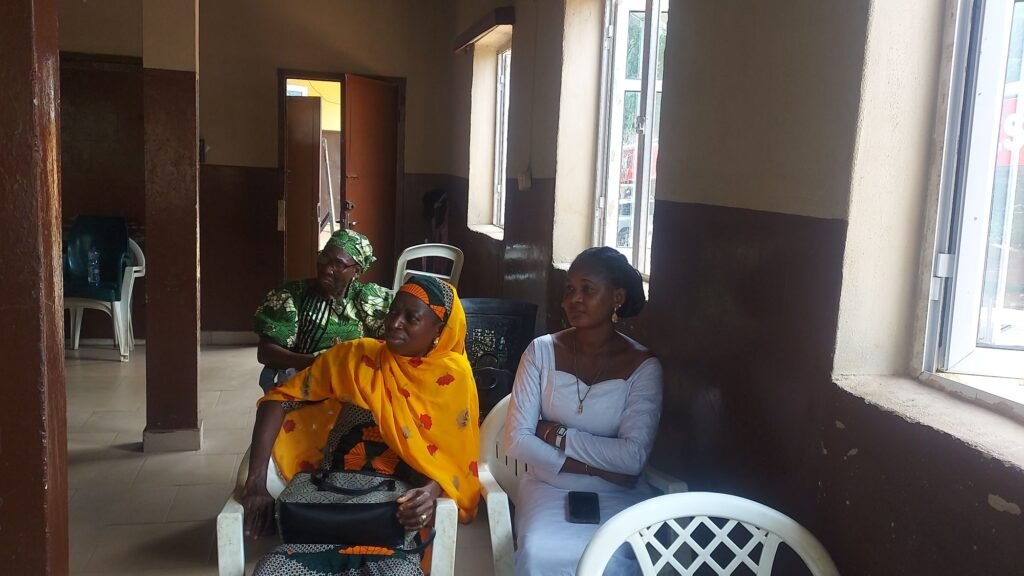
The visit was attended by market women leaders from Ibadan North as well as ADC leaders and chieftains.
Among those present were the Chairman of ADC, Ibadan North Local Government, Mr. Oriade Wasiu; Ward 11 ADC Leader, Mr. Adewumi Olusanya; Mr. Francis Ayogu; Mr. Kehinde Korede; and Mr. Olalere Ambali.
The engagement comes amid renewed calls for greater representation of women in elective positions and increased attention to the need for political parties, candidates and grassroots organisations to create more opportunities for women to participate meaningfully in governance.
About The Author