
Ibadan: The Last Yoruba Empire By Abraham Olapade
The most prominent role of Ibadan in Yoruba history was the defeat of Fulani warriors and their Yoruba collaborators at Inisa near Osogbo during the Jalumi War in 1878. Ibadan warriors stopped the agenda of the Fulani to conquer the whole of the Yorubaland and install emirs, the way they conquered Hausaland and Ilorin.
“Let them hate me, so long as they fear.” (Oderint dum metuant) — Caligula
“I found Rome a city of stone and left it a city of marble.” — Augustus Caesar
Ibadan was agog, penultimate Friday, with the coronation of Oba Rashidi Adewolu Ladoja, Arusa I as the 44th Olubadan of Ibadan. Ibadan is a very unique city especially its republican nature and succession chieftaincy arrangement. No need for fight or rancour or lobbying.
Ibadan started as a war camp, after the fall of the old Oyo Empire in the early 19th Century. The first Ibadan was destroyed during an Egungun Festival. A masquerade was accidentally disrobed in the open marketplace. Women and children, forbidden to look an egungun in the eye as they represent departed ancestors, mocked and derided the disrobed figure.
The first settlement of Ibadan, known as Eba-Odan, was destroyed on order of the Alaafin of Oyo after women and children exposed and mocked an egungun (masquerade) at a festival, an act considered an abomination that insulted the dead forefathers. The destruction of the first city, founded by Lagelu, was seen as a punishment from the Alaafin for this sacred offense.
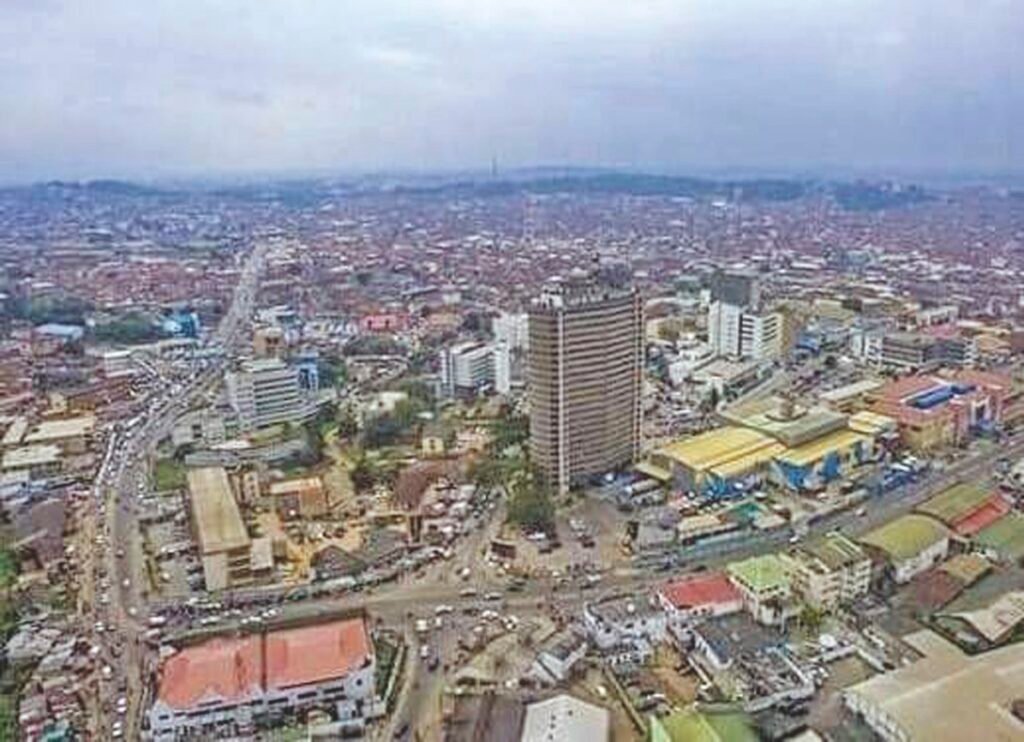
During the destruction of the first Ibadan, Lagelu and his people fled to a nearby hill for sanctuary and survived on Oro and snails before descending and founding the second settlement and eventually the modern city of Ibadan. They later started cultivating the land to make meals from corn and millet known as asoori or eko.
Ibadan was founded during the period of widespread conflict and upheaval in Yorubaland. It was founded after the collapse of the old Oyo Empire and Owu War that led to the collapse of many Yoruba towns and displacement of their population.
People came from different Yoruba towns to the new town, every Yoruba town is well represented in Ibadan. That is why there are areas like Aliiwo where people from Iwo settled in Ibadan; Isale Ijebu where people from Ijebu settled.
Ibadan was founded by brave and industrious men who lived by the power of their arms and intellect, hence the exponential growth of the new city. It soon subdued neighbouring towns and villages and built an empire that stretched across the whole of Yorubaland, and these towns and villages paid tribute to the city and were governed by Ibadan representatives (the Ajeles). But out of respect, it neither ruled Oyo and Ife, nor collected tributes from them.
Famous Ibadan warriors from the 19th Century included Balogun Oderinlo, who halted the Ilorin Fulani’s advance in the Osogbo War; Balogun Ogunmola, who defeated Aare Ona Kakanfo Kurunmi in the Ijaiye War; and Aare Latoosa, a powerful general who led the Ibadan forces during the Kiriji War.
The above-named figures were crucial in maintaining the Ibadan dominance and shaping the history of the Yoruba kingdoms during a period of intense conflict and shifting alliances. Balogun Akere died heroically in battle during the Ilesa War in the 1860s. Balogun Orowusi was the first Ibadan commander to achieve a significant victory against the Ijesa people.
The most prominent role of Ibadan in Yoruba History was the defeat of Fulani warriors and their Yoruba collaborators at Inisa near Osogbo during the Jalumi War in 1878. Ibadan warriors stopped the agenda of the Fulani to conquer the whole of the Yoruba and install emirs, the way they conquered Hausaland and Ilorin.
If not for the bravery of the Ibadan warriors, Fulani would have been controlling Yorubaland, the same way they are controlling Hausaland.
Fulanis are not indigenous people of Nigeria, they fought jihads and defeated the Hausa through sword and religious deceit. But the Ibadan valiant warrior stopped them at Inisa, the memorial is still there till today. Balogun Oderinlo played the most prominent role; he knew the tactics of the Fulani fighters because he was born in Ilorin and trained in Ilorin before migrating to Ibadan. He led Ibadan warriors to attack the Fulanis at night when their horses (Calvary) couldn’t see properly and also poisoned their water. Many Fulani warriors perished in the Otin River.
The Ibadan warriors were ready to move on Ilorin to reclaim Ilorin but the Alaafin stopped them; he believed that if the warriors should move on Ilorin, they wouldn’t be only contending against Fulani warriors in Ilorin but the whole of Fulani warriors from Central African Republic to the Sokoto Caliphate.
Ibadan was the Yoruba Empire till the arrival of the colonial masters. The Ekiti, Ondo, Ilesha conspired to defeat the city. It was called the Ekiti Parapo or Kiriji War. It was the most bloody and longest battle in Yoruba history.
The Ijebus have started trading with the European because of their proximity to the coast. So they joined the Ekiti allied forces against Ibadan by selling European guns, cannons and ammunition to the Ekiti Parapo army. Ibadan army suffered heavy loss at the outset of the battle because Ibadan underrated the Ekiti warriors.
The Ekiti warriors, led by Ogendegbe and Fabunmi Oke Imesi, proved themselves to be men. The battle ended in a stalemate, lasting from July 3, 1877, to March 14, 1893, and was the Yoruba’ longest civil war. The colonial masters intervened and The Peace Accord was signed.
The Kiriji War Memorial Site, marking the end of the 19th-Century Kiriji War, is located in Imesi-Ile, Osun State. This site commemorates the peace treaty signed between the Ibadan forces and the Ekiti and Ijesa coalition, featuring cenotaphs and Peregun trees that symbolise the agreement.
There were also valiant women, heroines like Madam Omosa, a prominent and brave woman in Ibadan history, known for her military prowess and role as a warrior and war-time businesswoman (arms dealer). She was the only daughter of Balogun Ogunmola, and the wife of Arulogun. Omosa is particularly remembered for rallying the city’s private army and inexperienced soldiers to successfully repel a surprise attack by the Ijebu army during the Kiriji War, thereby saving the city from potential collapse.
During the peak of the Kiriji War, the Ijebu army launched a strategic attack on Ibadan from a less guarded flank. While most of city’s main army was engaged elsewhere, Madam Omosa gathered her private army and remaining inexperienced soldiers. She led these forces in a fierce battle against the skilled Ijebu army, ultimately repelling them and preventing the sacking of Ibadan.
Since Ibadan was the last Yoruba empire, when the colonial masters introduced politics, it became the political nucleus of Yorubaland. When regional government was created, it became the capital of the Western Region. And Chief Obafemi Awolowo became the premier in 1954.
Awolowo brought a lot of firsts to Ibadan: first television station in Africa (WNTV/WNBC), first stadium in Africa – Liberty stadium, first housing estate- Bodija Estate established in 1959; Cocoa House, first skyscraper in West Africa.
Before that period, Ibadan already had the first university and teaching hospital, UI and UCH. University College, Ibadan and Government College, Ibadan made Ibadan a citadel of many Yoruba intellectuals. GCI produced the likes Of Wole Soyinka, Adegoke Adelabu, Omololu Olunloyo.
When the business of war ended, Ibadan people moved to trade. Ibadan didn’t quickly embrace education like the Abeokuta people. Adebisi Idikan that built the 99-room mansion in Idikan in 1929 was among prominent Ibadan businessmen. Adebisi Idikan once paid tax for the whole of Ibadan. His contemporary was Chief Salami Agbaje, the first Ibadan man to buy a car, and his sons were the first medical doctor and lawyer in Ibadan.
WNTV/WNBC (the only television station in Nigeria) and prominent hotels like Premier Hotel opened in 1966 owned by Oodua Investment, made Ibadan an entertainment hub. Roy Chicago, Fela Akikulapo and several others were always in town to perform.
The first political crisis after Nigeria attained independence happened in Ibadan – Operation Wetie in 1962, which led to the 15 January, 1966 coup, and the civil war. During the June 12 crisis, after the annulment of the 1993 presidential election, won by Chief MKO Abiola, many people thought the Yoruba would burn down their region or engage in civil war. No! Yoruba have learnt from history. Yoruba fought the military juntas with brains not guns, won and brought back the presidency to the South-West.
Lagos-Ibadan is the media fulcrum in Nigeria. The Nigerian Tribune, based in Ibadan, is the oldest surviving newspaper in Nigeria. It was founded by Chief Obafemi Awolowo and it first published on November 16, 1949.
The seat of Olubadan of Ibadan
The seat of the Olubadan of Ibadanland is a largely a political and military seat than a traditional seat. Titles of war commander like Bashorun, Balogun, Iba, Are oona kakanfo were initially used for the city’s leaders, before the title of Baale was fully adopted. The title of a king (Olubadan) was adopted in 1936, and the first baale to be addressed as Olubadan was Oba Okunola Abass Alesinloye, who reigned from 1930 to 1946. He transitioned from being the Baale of Ibadan to the Olubadan, the first ruler to officially hold that title.
What makes the coronation of Oba Rashidi Adewolu Ladoja, Arusa I unique is its double barrel power. A former senator and governor (prominent politician), now a traditional ruler.
Oba Ladoja initially opposed the amendment to upgrade high chiefs from the Ekarun Olubadan to obas when it was introduced by the Late former governor Abiola Ajimobi and Governor ‘Seyi Makinde but he accepted the amendment and got his beaded crown last year.
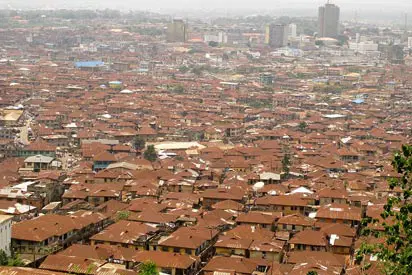
Ibadan has 11 local government areas, each of it is bigger than many towns. Before any high chief from the Ekarun Olubadan (5th to the throne) can become the Olubadan, he must have reigned as a king at a point across all the 11 local government areas. Each of the local government areas is under the authority of an high chief among the 10 high chiefs that have been upgraded to become obas. Places like Moniya, Apete, Sasa have baales but the baales are under the authority of the high chief now an oba in charge of the local government area.
Any Ibadan man that has become mogaji of their compound can become Olubadan, if he joins the ladder as Jagun Olubadan from either the Civil (Otun-Baale) Line or the Military (Balogun) Line, and keeps progressing.
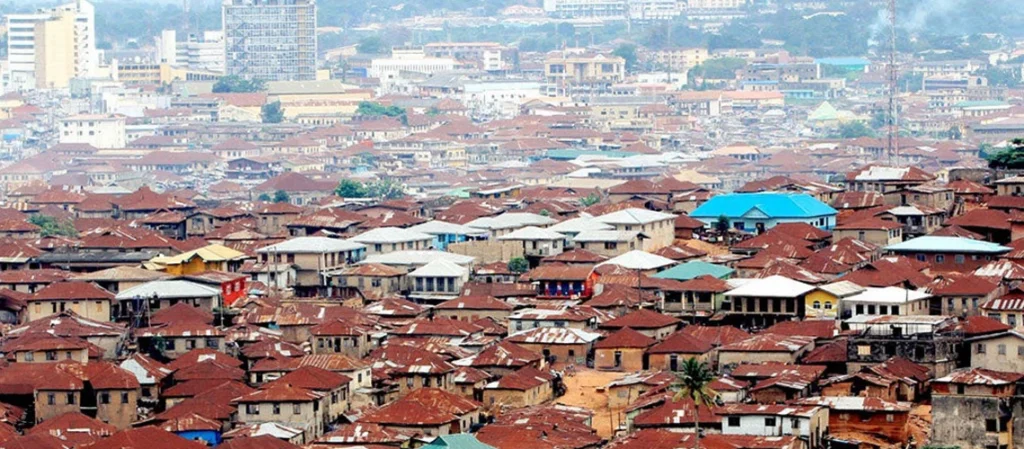
Ibadan disease is civil disturbance because it was founded by gladiators. But we no longer engage in arms conflict anymore. Our war in this entity called Nigeria is to play the right politics and get our politics and policies right to develop our religion. Our region is already the most secured and developed in the country, but we must keep pushing with our intellect not barrels of gun. The road ahead is still far and rough. Ancient areas in Ibadan need urban renewal, as new areas with beautiful houses are springing up. Old ancestral areas with ancient buildings should be renovated; the houses are historic and should not be left to rot away.
•Olapade writes from C2/530 Olufegbe Compound, Alekuso, Beere, Ibadan.
About The Author