
BIGIF Strengthens Capacity of Women-Led, Feminist Organisations Across South-West
By Temilade Aloko
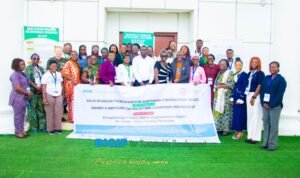
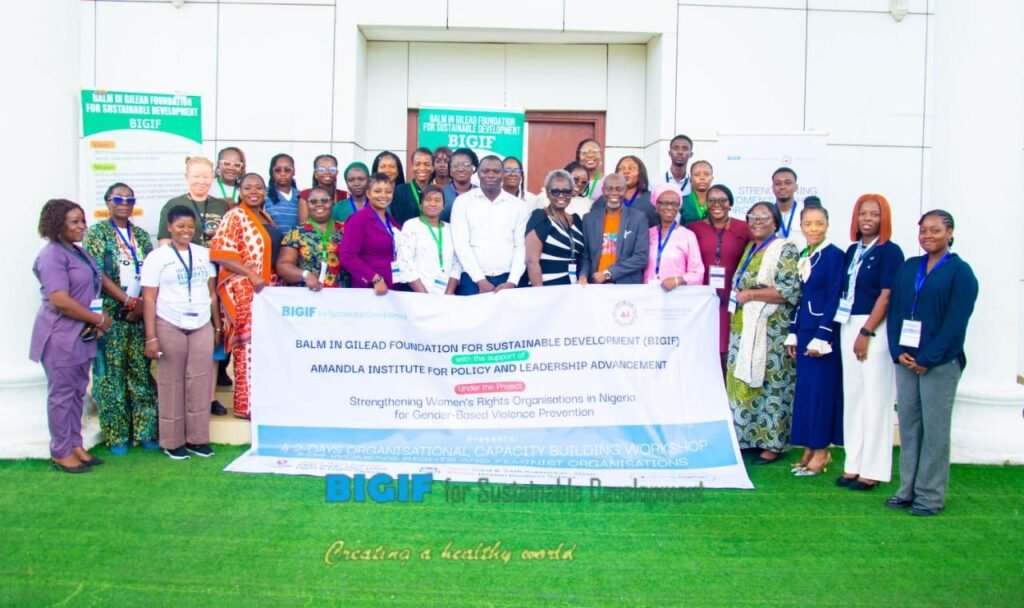
IBADAN — The Balm in Gilead Foundation for Sustainable Development (BIGIF) has concluded a two-day organisational capacity-building training for women-led and feminist organisations across South-West Nigeria, bringing together 30 selected organisations from Oyo, Osun, Ogun, Ondo, Ekiti and Lagos States.
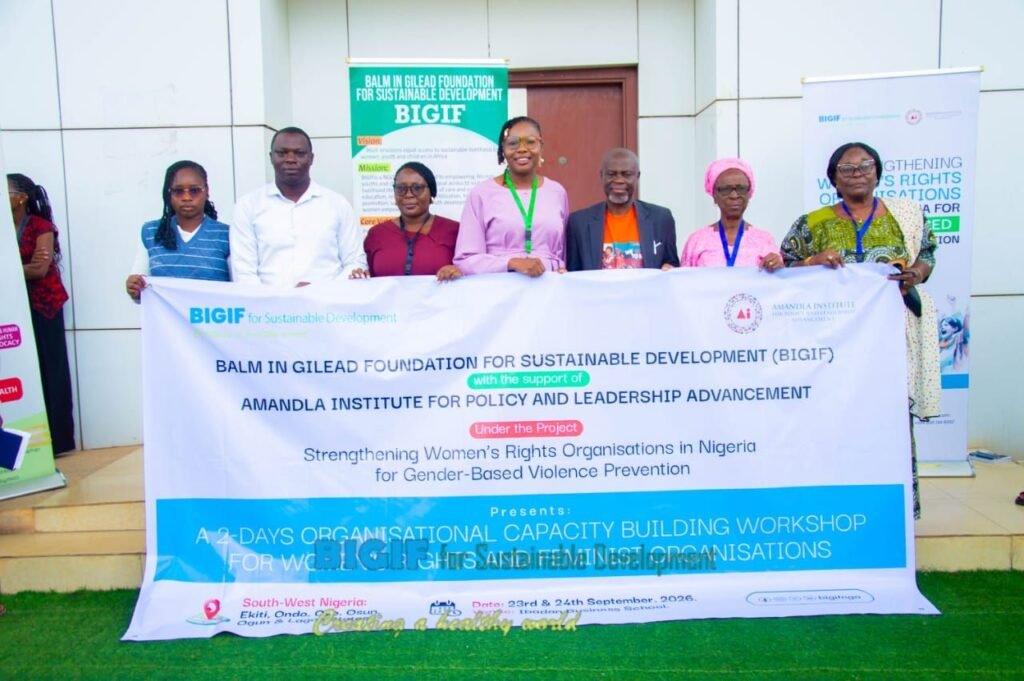
The training, held on September 23 and 24, 2026, at Ibadan Business School, Ibadan, Oyo State, was organised under BIGIF’s project, “Strengthening Women’s Rights Organisations in Nigeria for Gender-Based Violence Prevention,” with support from the Ford Foundation through the Amandla Institute for Policy and Leadership Advancement.
The participating organisations were selected following a South-West Women’s Rights and Feminist Organisations Mapping and Capacity Assessment exercise conducted by BIGIF.
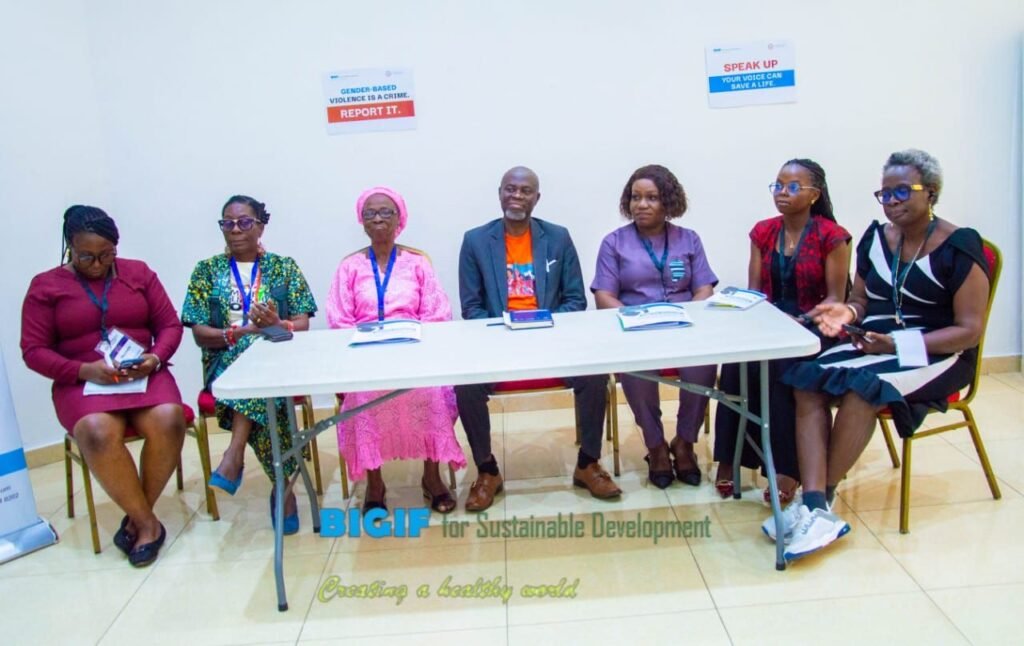
The workshop provided a platform for leaders and representatives of women-led and feminist organisations to strengthen their organisational capacity, exchange experiences and explore strategies for advancing women’s rights and preventing gender-based violence.
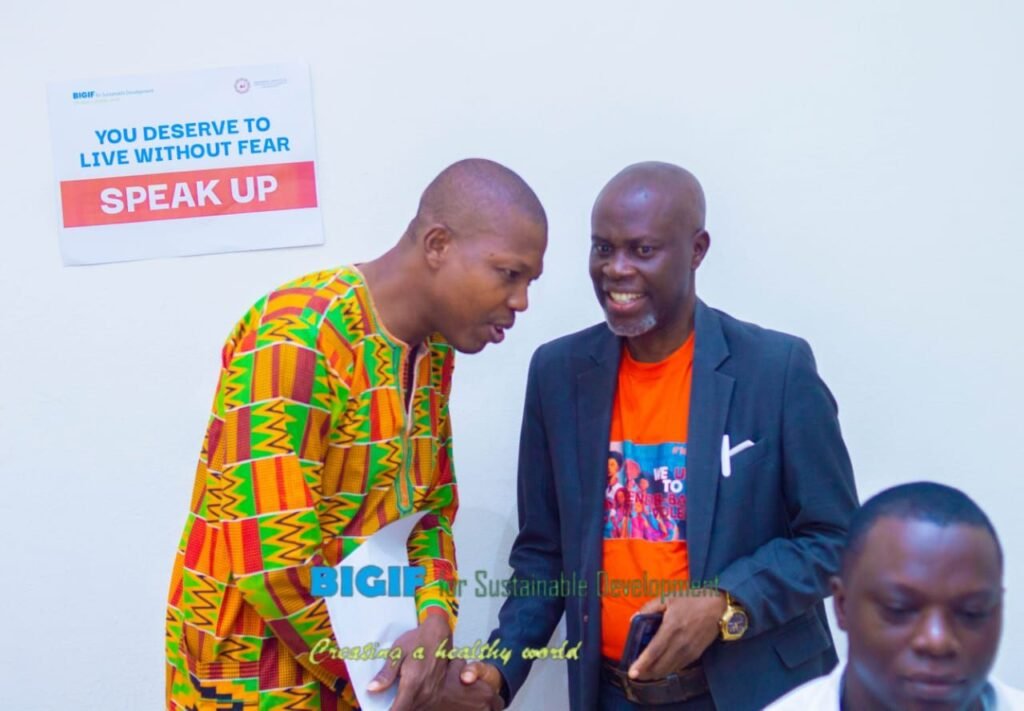
Representing the Oyo State Commissioner for Women Affairs at the opening ceremony was Mr. Diya, Director of Women Programmes, Oyo State Ministry of Women Affairs.
Speaking on behalf of the Commissioner, Mr. Diya underscored the importance of collaboration between government and civil society organisations in addressing issues affecting women and girls. His presence also demonstrated the relevance of partnerships between government institutions and women-focused organisations in strengthening advocacy, empowerment and gender-based violence prevention efforts.
The training took participants through a broad range of issues relating to women’s movements, feminist leadership, campaign development, advocacy, policy influence, constituency building, networking, digital advocacy, resource mobilisation and movement sustainability.
One of the key sessions examined the historical foundations of women’s movements in Nigeria and Africa, using examples of women who played significant roles in collective struggles.
Among the historical examples discussed were Funmilayo Ransome-Kuti and the Abeokuta Women’s Union, as well as the women’s resistance associated with the Aba Women’s movement.
The historical discussions enabled participants to examine how women in earlier generations organised, mobilised communities and challenged structures that affected their rights and livelihoods.
The experiences provided strategic lessons for contemporary women-led and feminist organisations seeking to build effective movements and sustain collective action.
Participants subsequently explored how historical lessons could be translated into contemporary strategies through discussions and practical exercises on campaign strategy development, movement life cycles, ecosystem mapping and power analysis.
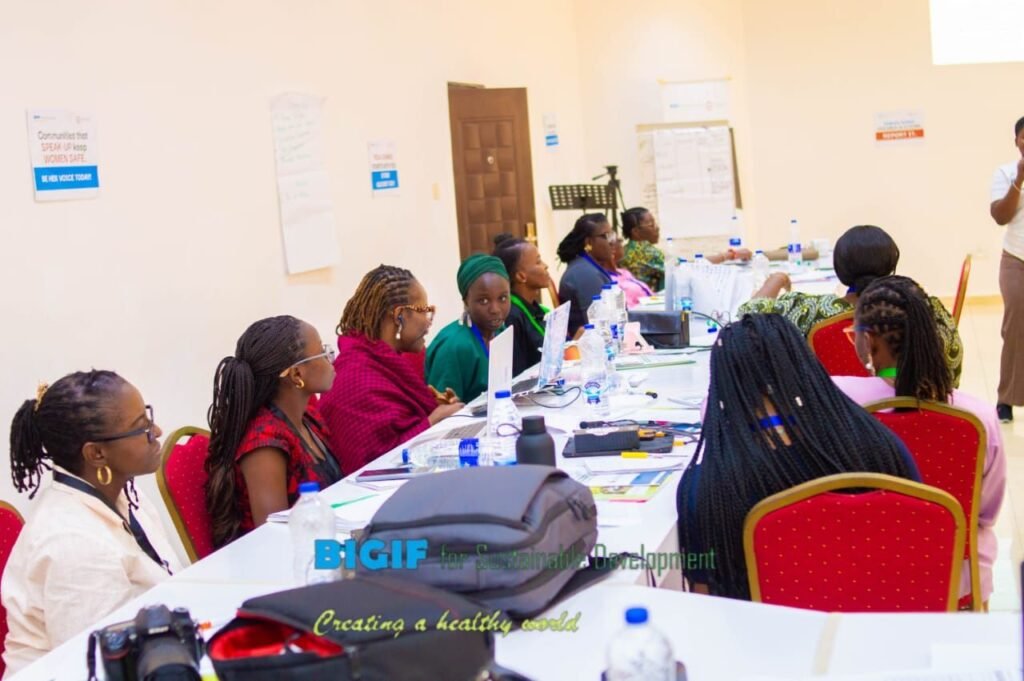
The leadership component of the training focused on feminist and transformational leadership, leadership values and dilemmas, assertiveness and leadership development. Participants were encouraged to reflect on their approaches to leadership and how organisational leadership can contribute to stronger, more inclusive and sustainable movements.
The programme also examined social movements and movement effectiveness, allowing participants to assess different forms of movements and reflect on what contributes to their effectiveness.
On the second day, the focus shifted towards strengthening participants’ practical understanding of advocacy and policy influence, constituency building and movement networks.
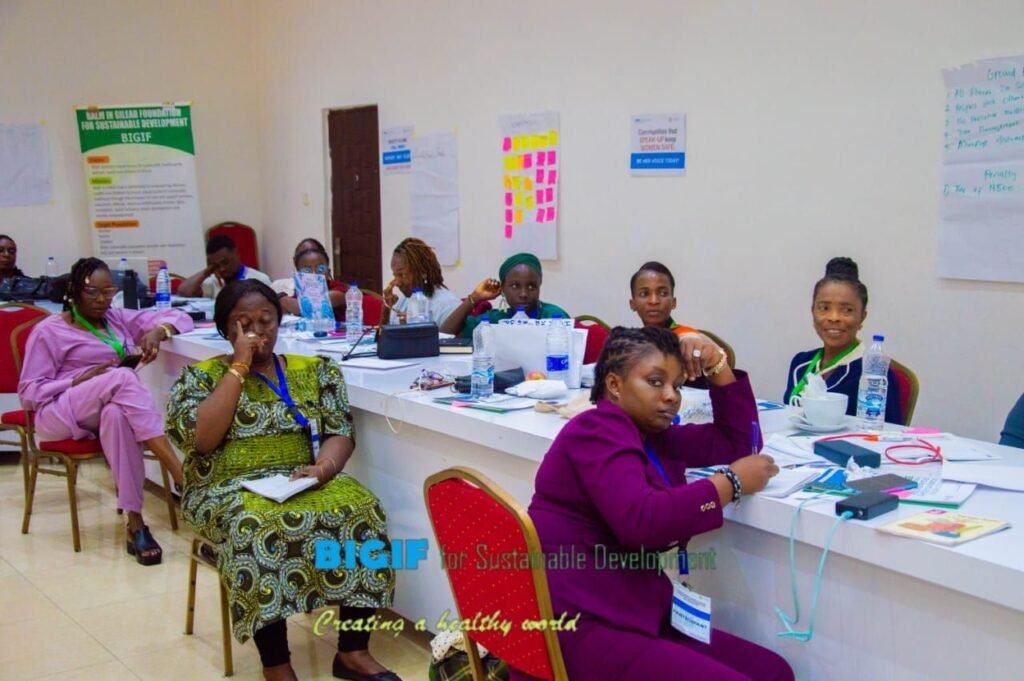
Participants shared experiences from their advocacy work and explored ways of building stronger constituencies and strengthening collaboration among women’s rights and feminist organisations across the region.
The workshop further addressed digital feminism, narrative power and digital advocacy, recognising the growing importance of digital platforms in shaping public conversations, amplifying women’s voices and supporting advocacy campaigns.
Another important area was resource mobilisation for movement sustainability, which encouraged participants to consider how their organisations could strengthen their ability to sustain their work beyond individual projects.
The training also addressed movement action planning, accountability commitments and intergenerational leadership, culminating in a commitment session where participants reflected on “What Will Be Done Differently?” following the training.
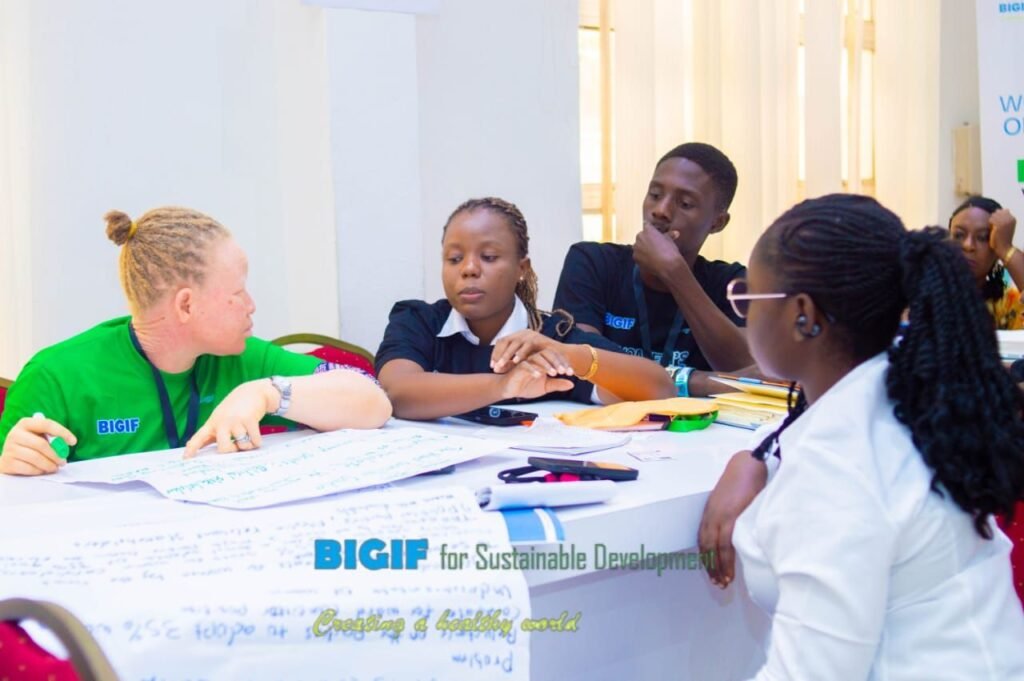
Among the facilitators were Mr. Nelson Akerele, Programme Manager at BIGIF, and Ayomipo Ogundipe, Programme Officer at BIGIF, alongside other facilitators involved in the programme.
The programme was designed to strengthen the knowledge and practical skills of women-led and feminist organisations in areas including feminist leadership, organisational governance, advocacy and policy influence, movement building, institutional strengthening, sustainability and strategic engagement for gender-based violence prevention and response.
The two-day event also created an avenue for participants from the six South-West states to share experiences, build professional relationships and identify opportunities for collaboration.
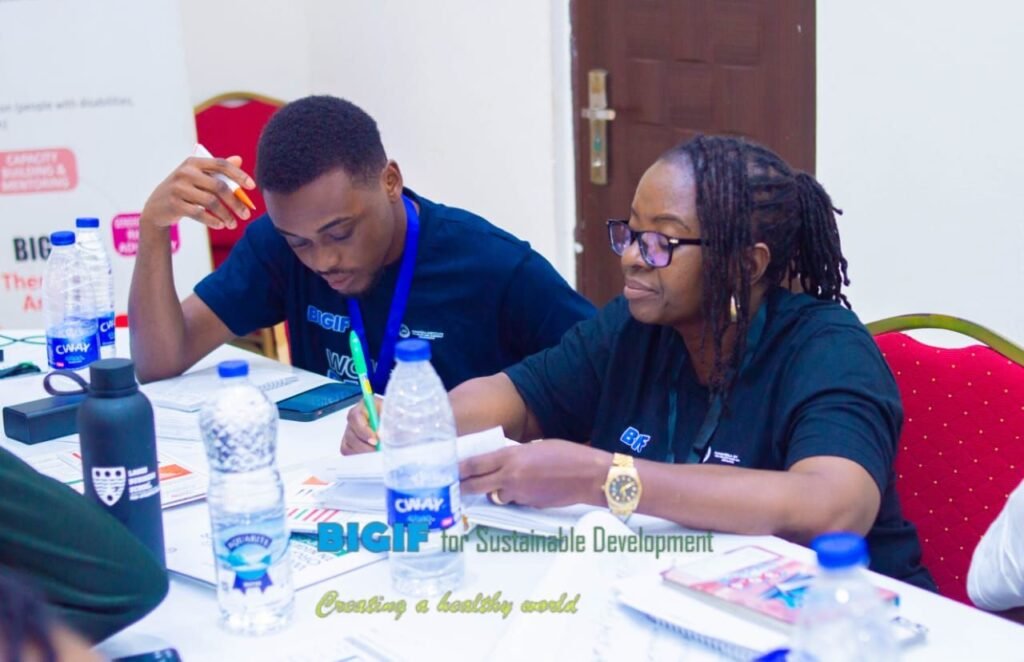
The training ended with a post-test, evaluation and closing remarks, followed by networking.
The workshop, according to its organisers, is part of broader efforts to strengthen women-led organisations and the wider women’s movement in the South-West, while equipping organisations with practical knowledge and strategies to contribute more effectively to advocacy and gender-based violence prevention and response.
About The Author