

FROM REHAB TO THE STREETS: THE CYCLE OF HOMELESSNESS AND MENTAL ILLNESS IN IBADAN
By Temilade Aloko

It was a bright morning along the bustling Eleyele–Mokola road in Ibadan. The roads were alive with the familiar sounds of commerce and movement: honking vehicles, street traders calling out to customers, and commuters rushing to their destinations. Amid the daily chaos, a group of children moved between vehicles stalled in traffic, begging for money or offering to wipe windshields in exchange for a few naira. They had become part of the landscape, a visible reminder of the poverty that exists alongside the city’s economic activity.
Among them was a boy known as Abdulai (not his real name). Unlike the others, he was not moving from car to car that morning. Instead, he lay motionless on a grassy section of the roundabout, seemingly asleep and oblivious to the movement around him. Passers-by paid little attention. Drivers glanced briefly before moving on. Traders nearby continued their daily activities. It was easy to assume he was resting.
Hours later, however, Abdulai remained in the same position. Alarmed by the sight, I stopped, raised the alarm, got those around involved, and later we contacted government officials. By the time help arrived, the boy, believed to be not older than 13, had died. His death was quiet, unnoticed by many. His death tragically symbolises the neglect faced by some of society’s most vulnerable members – the homeless.
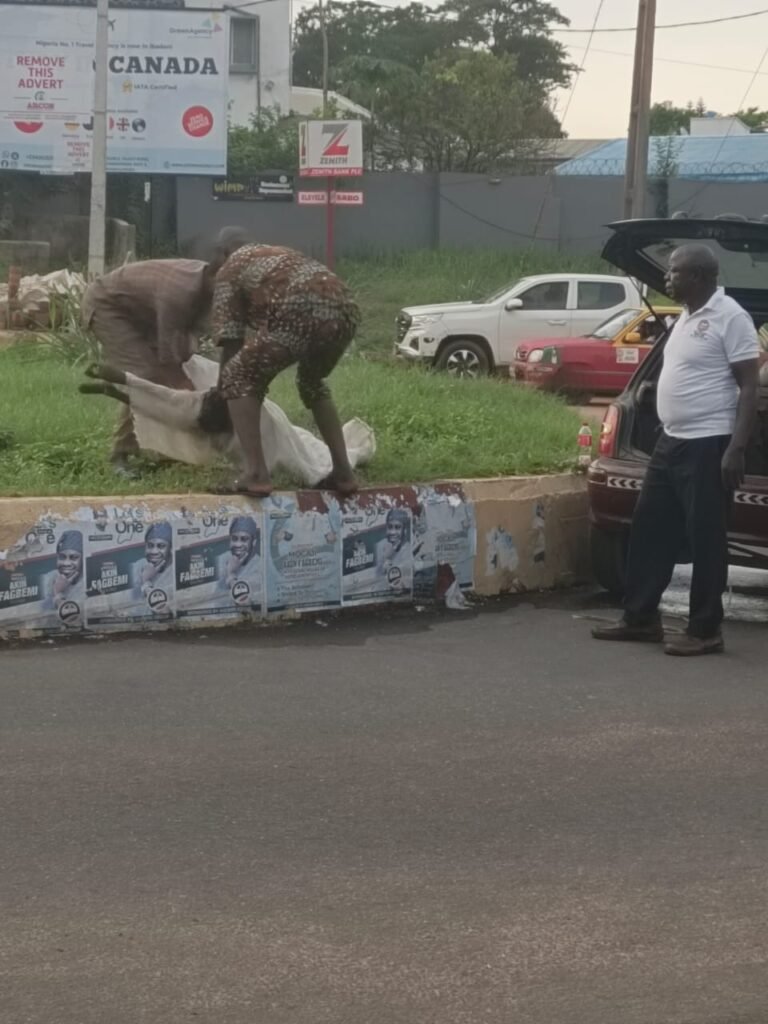
Abdulai’s tragic end is not an exception. It reflects a broader humanitarian crisis playing out daily across Ibadan, where homelessness, destitution, and untreated mental illness intersect in ways that expose thousands of people to danger, disease, exploitation, and premature death.
A Visible Crisis in a Growing City
Ibadan is the capital city of Oyo State. And one of Nigeria’s largest cities. But hidden beneath its growing economy and expanding infrastructure is a population of vulnerable people who survive on the margins. They occupy road medians, markets, underpasses, motor parks, and busy intersections, relying on begging to survive.
The challenge extends beyond visible homelessness. According to UNICEF, approximately one-third of the children in Oyo State face multidimensional deprivation such as lacking adequate access to healthcare, nutrition, education, and clean water. These conditions create fertile ground for vulnerability and social exclusion.
A research by Dr. Ruth Ochanya Adio-Moses, a lecturer at the University of Ibadan identifies family instability, displacement, substance abuse, and social neglect as major drivers of homelessness and mental health crises within the city. (http://ir.library.ui.edu.ng/bitstream/123456789/5732/1/ui_art_adio-moses_health_2018.pdf) Such factors often combine to create circumstances from which individuals struggle to recover without structured intervention.
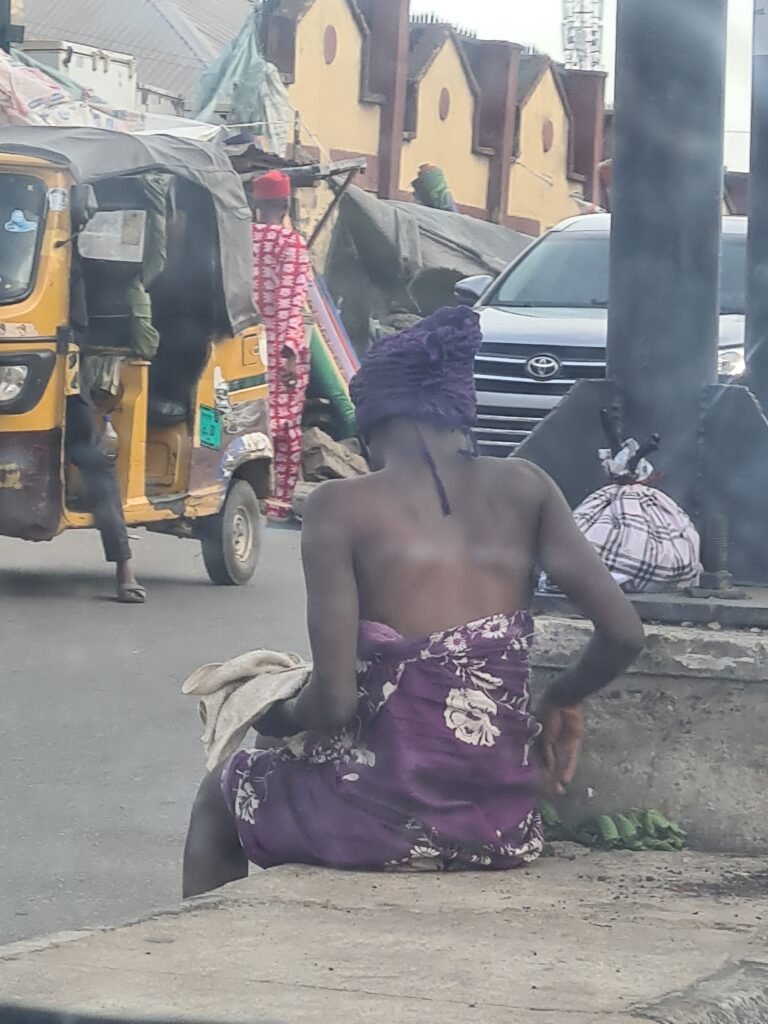
Mental Health Expert,Dr. Adeniyi Lawal, founder and project director of Emmanuel Rehabilitation Centre, Ibadan classify the affected population into three broad categories: people living with severe, untreated mental illnesses, vulnerable families and children forced into street begging, and elderly or sick individuals abandoned without support systems.
Different Faces of Vulnerability
A closer look at the people living on Ibadan’s streets reveals that homelessness is far more complex than commonly assumed.
Fausat, a woman in her late forties, insists she is neither mentally ill nor entirely homeless. Widowed nearly two decades ago and later losing the child who supported her, she turned to begging as a means of survival while continuing to sell palm kernel oil on weekends whenever possible.
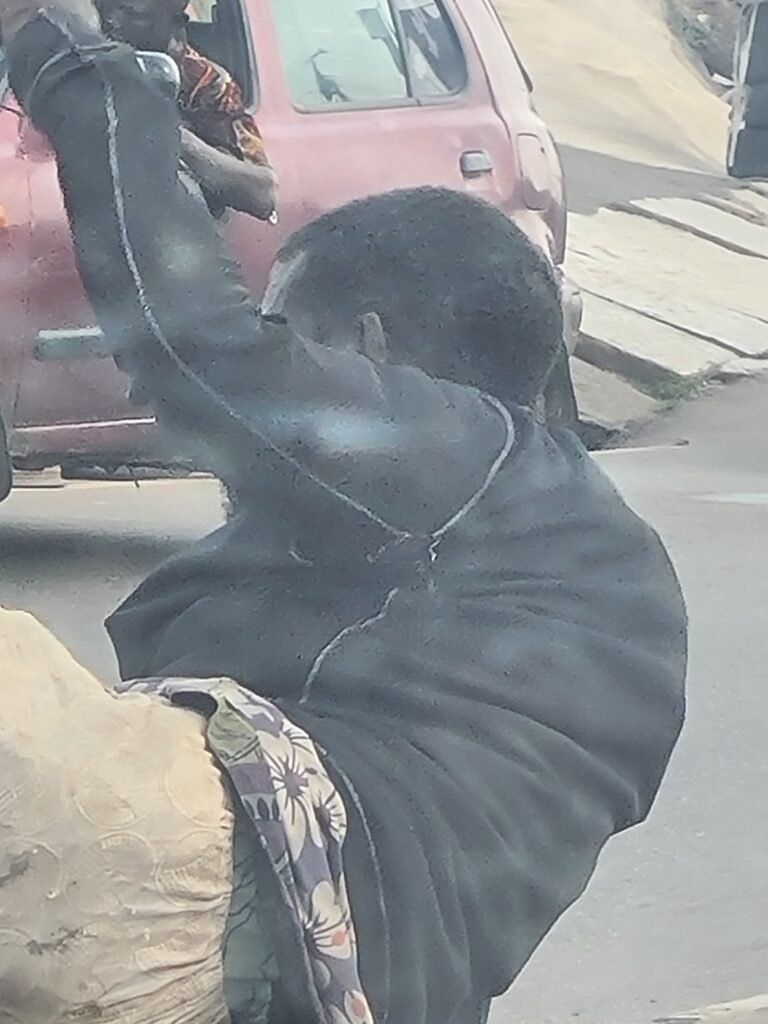
Another woman, Toyibat, once worked as a patent medicine vendor before a debilitating leg infection and marital challenges pushed her into poverty. Her story mirrors those of many others whose descent into destitution began not with mental illness but with economic hardship, health challenges, or the collapse of family support systems.
For many living on the streets with their children, the motivation is often straightforward: survival. Poverty, food insecurity and unemployment leave them with few alternatives. However, Comrade Kehinde Akinyemi JP, a retired Deputy Director of Social Welfare in the Oyo State Ministry of Women Affairs and Chief Executive Officer of the Ibadan Human Rights Centre and a mental health advocate, cautions against assuming that every homeless person is mentally ill. According to him, homelessness is driven by a combination of factors including poverty, unemployment, rural-urban migration and weak social support systems. He argues that treating all homeless persons as mentally unstable deepens stigma and often leads to interventions that fail to address the different realities and needs of people living on the streets.
The Revolving Door of Evacuations
For years, the Oyo State Government has periodically conducted operations to remove beggars, the homeless, and mentally ill persons from public spaces. Officials often justify these exercises as necessary measures to improve public safety, environmental sanitation, and urban order.
However, evidence suggests that these interventions rarely produce lasting results.
Records show repeated evacuation exercises over several years, with dozens of individuals removed from the streets and transferred to rehabilitation facilities or hospitals. Yet many eventually return to the same locations from which they were taken.
Comrade Kehinde Akinyemi, the Chief Executive Officer of the Ibadan Human Rights Centre, argues that the problem lies in the absence of sustained rehabilitation strategies. According to him, the government often focuses on clearing visible signs of poverty from public spaces without adequately investing in long-term treatment, reintegration, and economic empowerment. Funding shortages and insufficient professional staffing further weaken rehabilitation efforts.
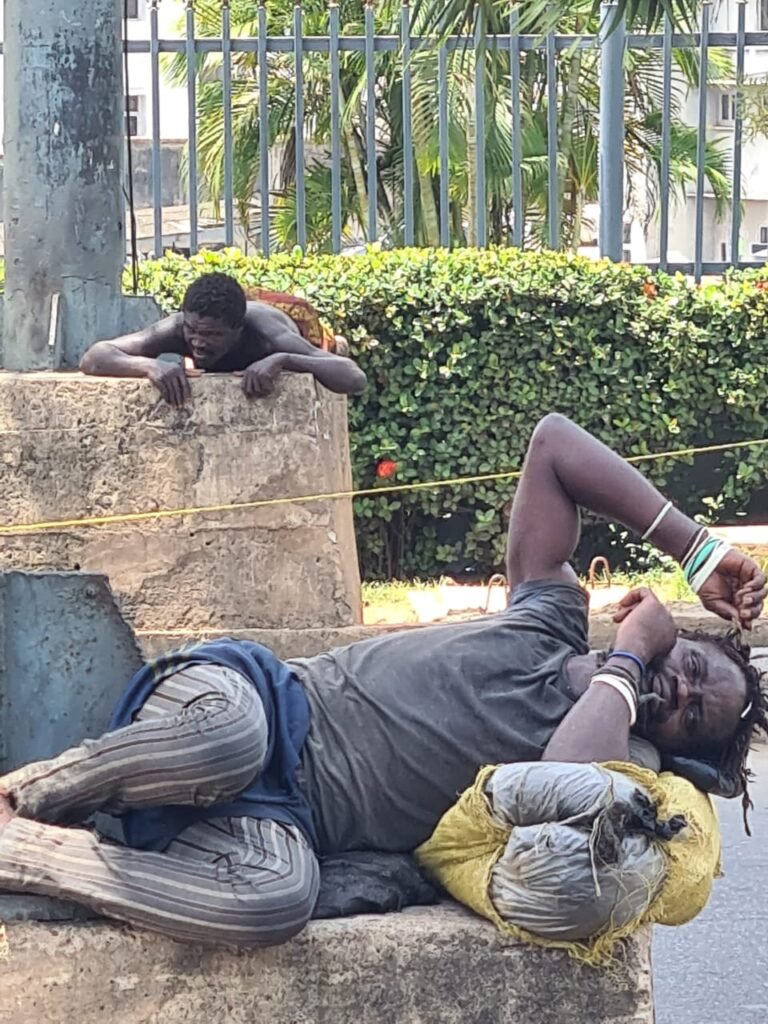
Government officials, meanwhile, point to another challenge: public behaviour. The Commissioner for Environment and Natural Resources, Engr. Ademola Temitayo Aderinto, argues that roadside donations inadvertently encourage people to remain on the streets. He acknowledges the public health dangers associated with street living but notes that responsibility for rehabilitation primarily lies with social welfare authorities.
Rehabilitation Centres Under Pressure
The shortcomings of the current system become apparent at the Oyo State Rehabilitation Centre in Akinyele.
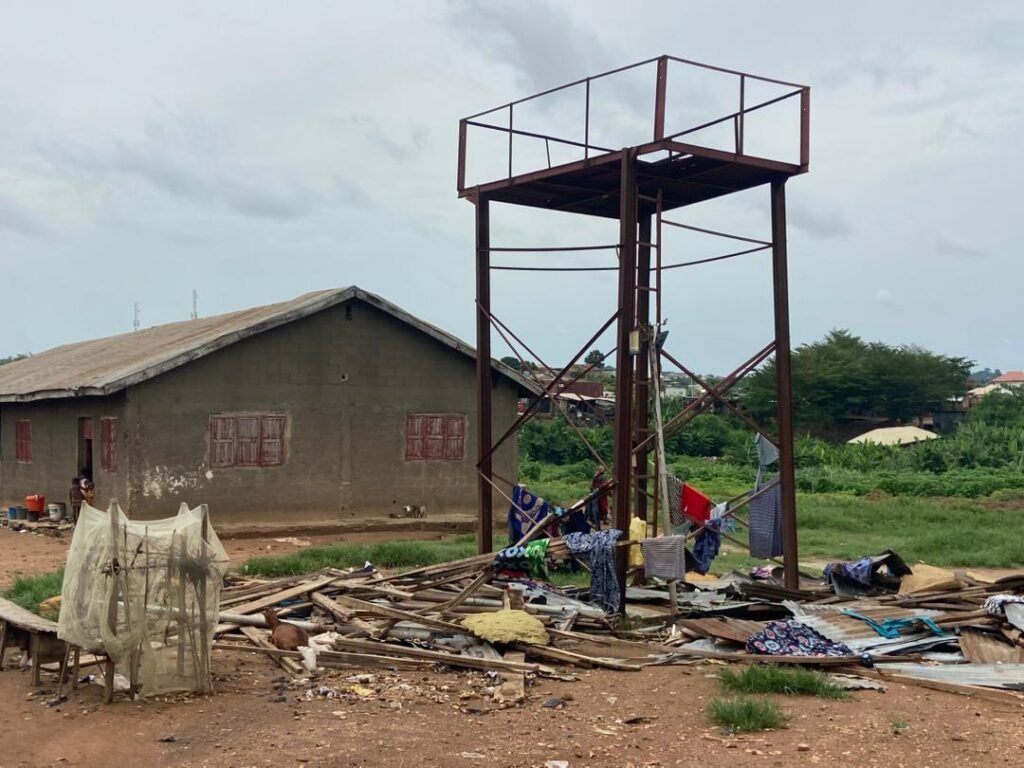
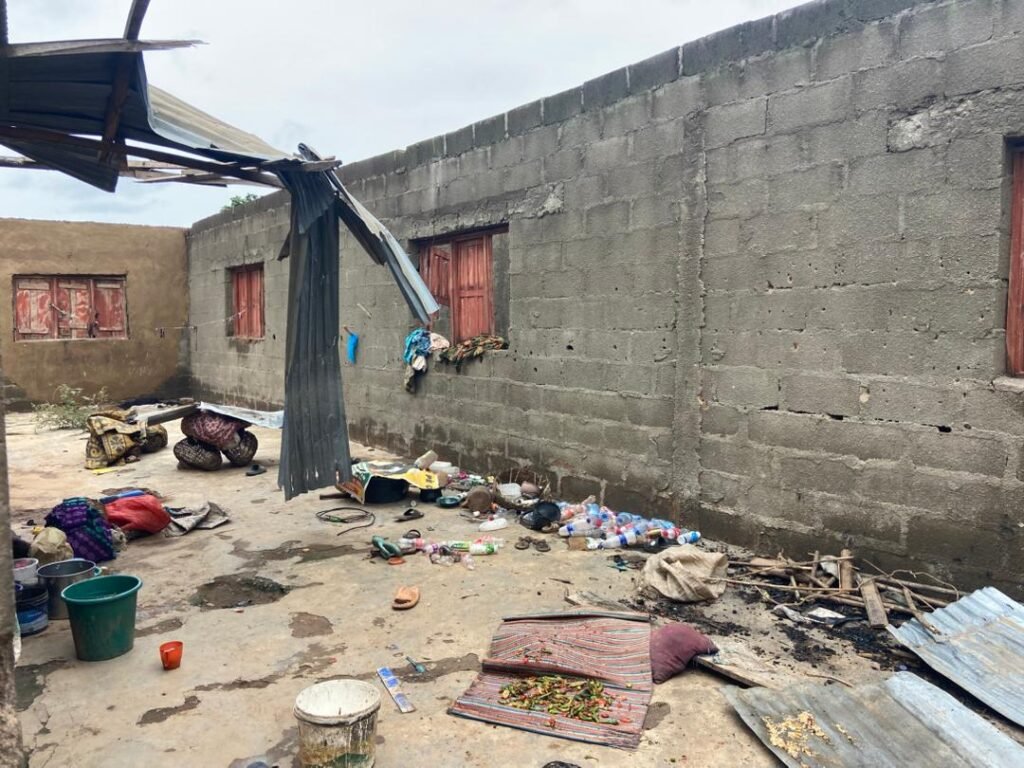
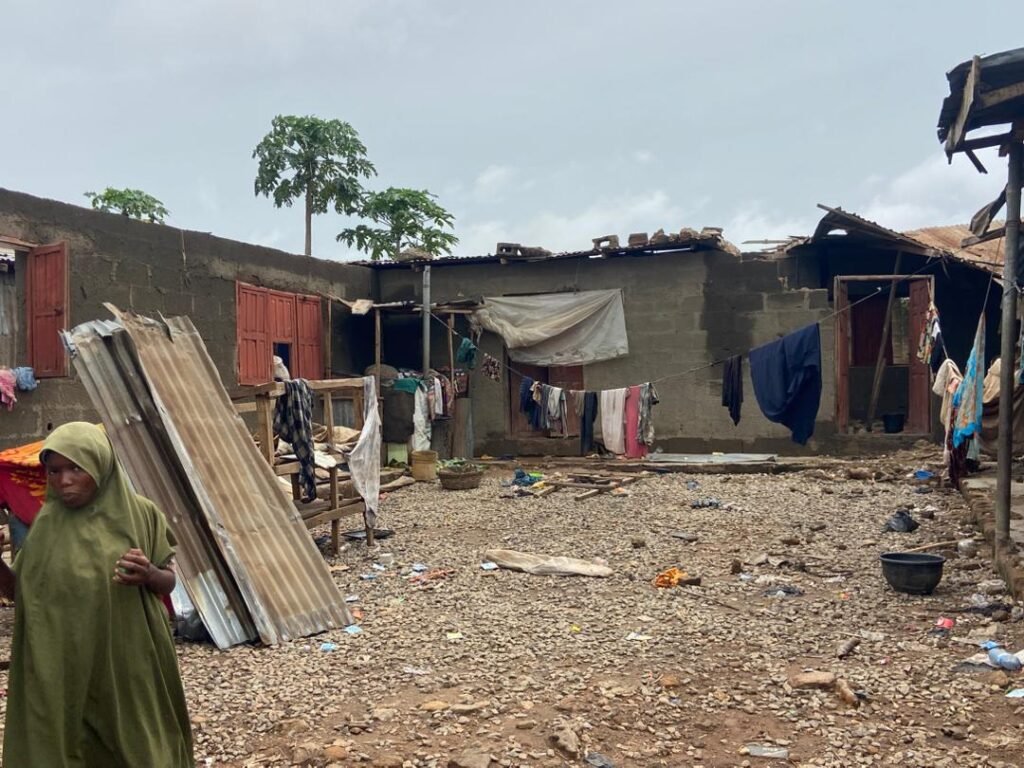
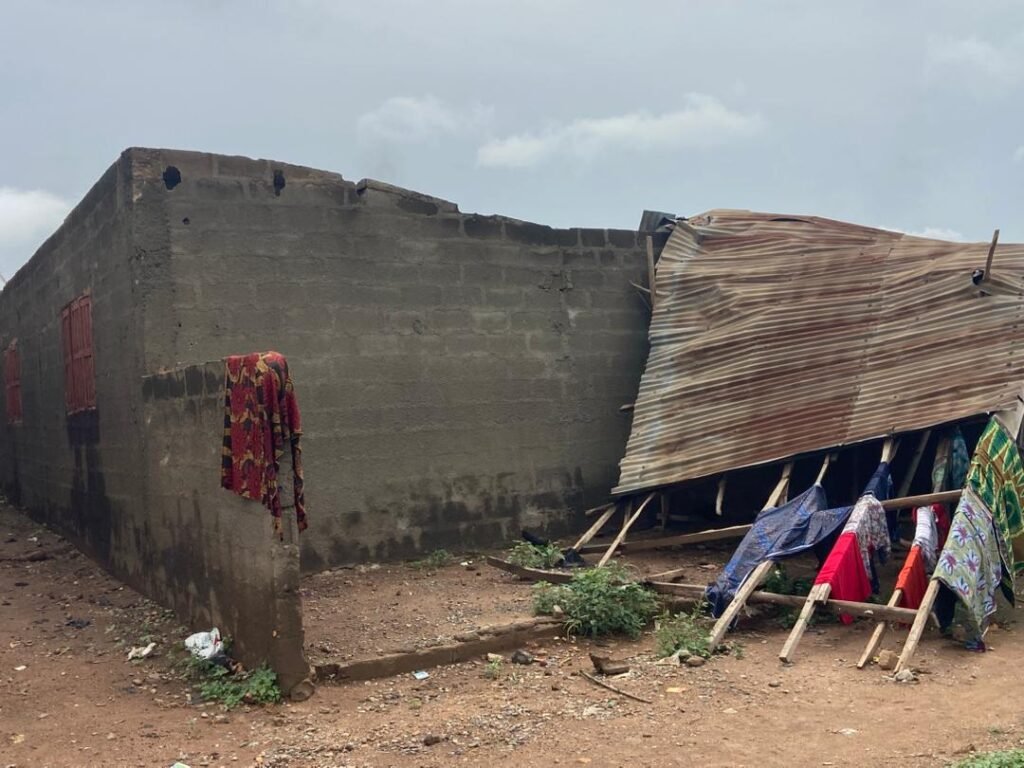
Situated behind a busy market, the facility bears visible signs of neglect. Damaged roofs, cracked structures, stagnant water, and ageing infrastructure paint a troubling picture. Despite these conditions, the centre houses many vulnerable residents, including widows, elderly persons, displaced individuals, and people living with disabilities.
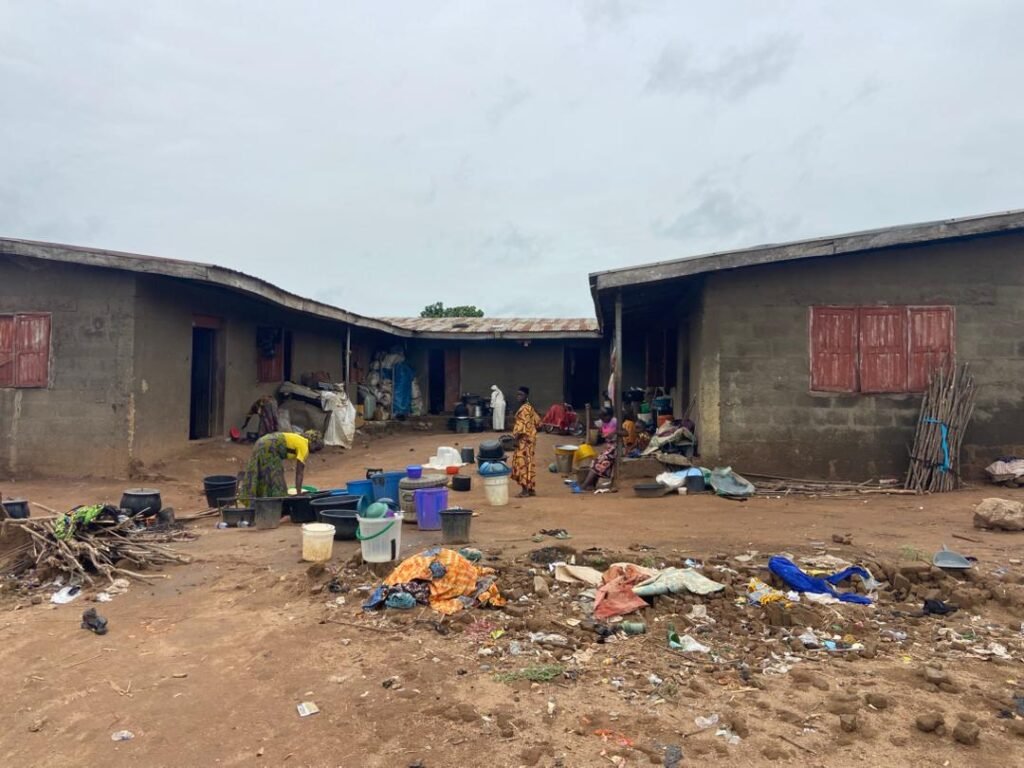
One resident, Sadiq Yusuf, has lived there for six years after being evacuated from Mokola. He recalls a period when residents received more consistent support, including feeding and healthcare. Today, however, many fend largely for themselves. Some operate small businesses within the facility, while others return to the streets to beg during the day.
According to Sadiq, the absence of specialised care and effective monitoring allows mentally ill residents to wander away unnoticed. His account highlights a critical weakness in the system: removing people from the streets is easier than ensuring they receive treatment, protection, and sustainable reintegration.
Private Intervention Filling Public Gaps
While public facilities struggle, private organisations have attempted to bridge the gap.
The Emmanuel Rehabilitation Centre, has quietly partnered with successive Oyo State governments for over forty years. The ageing, cash-strapped centre—marked by rusted roofs and worn walls—stands in stark contrast to a modern psychiatric hospital. Yet, behind this modest facade lies a system that has successfully treated, rehabilitated, and reintegrated hundreds of mentally ill individuals swept from the streets.
The centre’s founder and Project Director, Dr Adeniyi Lawal, explains that government evacuations regularly deliver batches of 30 to 60 individuals at a time. Many arrive malnourished, traumatised, and completely disconnected from their families. “We bathe them, feed them, medicate them, and sometimes trace their families,” Lawal says.
This stabilisation process has yielded genuine success stories, with many former residents returning to school, learning vocational skills, securing jobs, or reuniting with long-lost relatives.
His warning is stark: without adequate funding for family tracing, economic empowerment, and long-term support, many rehabilitated individuals will eventually relapse and return to the streets.
Beyond Charity: Addressing Root Causes
Many stakeholders agree that roadside charity, while well-intentioned, cannot solve the crisis. Instead, they advocate redirecting donations to structured rehabilitation programmes that provide treatment and long-term support.
Community leaders argue that homelessness in Ibadan is driven by deeper structural problems. These include unemployment, family breakdown, substance abuse, inadequate mental health services, weak social protection systems, and inconsistent government policies that change with successive administrations.
The Oyo State House of Assembly has begun examining the issue more closely, with lawmakers calling for greater oversight of rehabilitation facilities and stronger reintegration programmes. However, concerns remain regarding funding transparency and policy implementation.
Conclusion
The death of Abdulai is more than a tragic anecdote. It represents the human cost of systemic failures that leave vulnerable individuals without protection, treatment, or hope. Across Ibadan, mentally ill persons, abandoned children, widows, migrants, and the elderly continue to occupy public spaces where they face daily risks to their health, safety, and dignity.
The evidence from rehabilitation centres, government interventions, and community experiences points to a common conclusion: evacuation alone is not rehabilitation. Without sustained funding, effective mental health services, social support systems, economic empowerment programmes, and policy continuity, the streets will continue to reclaim those who have nowhere else to go.
Until that reality changes, Ibadan’s most vulnerable residents will remain trapped in a cycle that begins on the streets, passes through rehabilitation facilities, and too often returns them to the same conditions from which they were rescued.
THIS REPORT WAS COMMISSIONED WITH SUPPORT FROM THE CENTRE FOR JOURNALISM INNOVATION AND DEVELOPMENT (CJID) UNDER A JOURNALISM SUPPORT INITIATIVE FUNDED BY THE ROYAL NORWEIGIAN EMBASSY.
About The Author