

TETFund Reaffirms Commitment to Strengthening Tertiary Education at South-West Town Hall Meeting
By Temilade Aloko, Ibadan
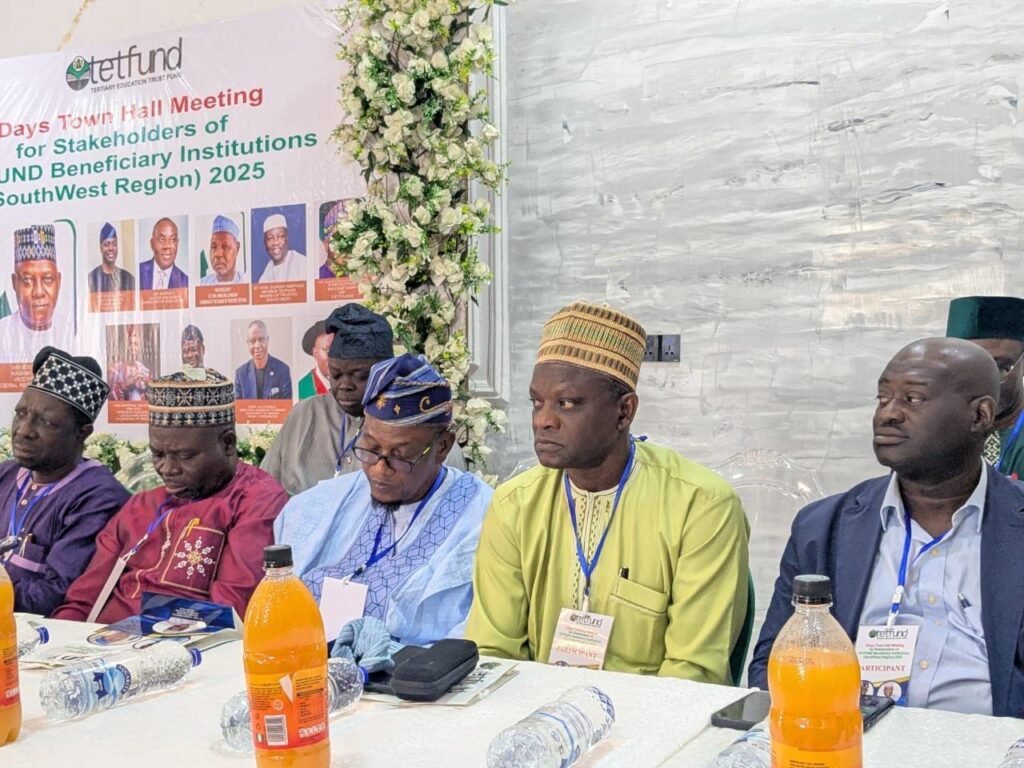
The Tertiary Education Trust Fund (TETFund) has reaffirmed its commitment to strengthening Nigeria’s tertiary education system through sustained investments in infrastructure, research, and human capital development, as well as deepened accountability and inclusiveness across institutions.
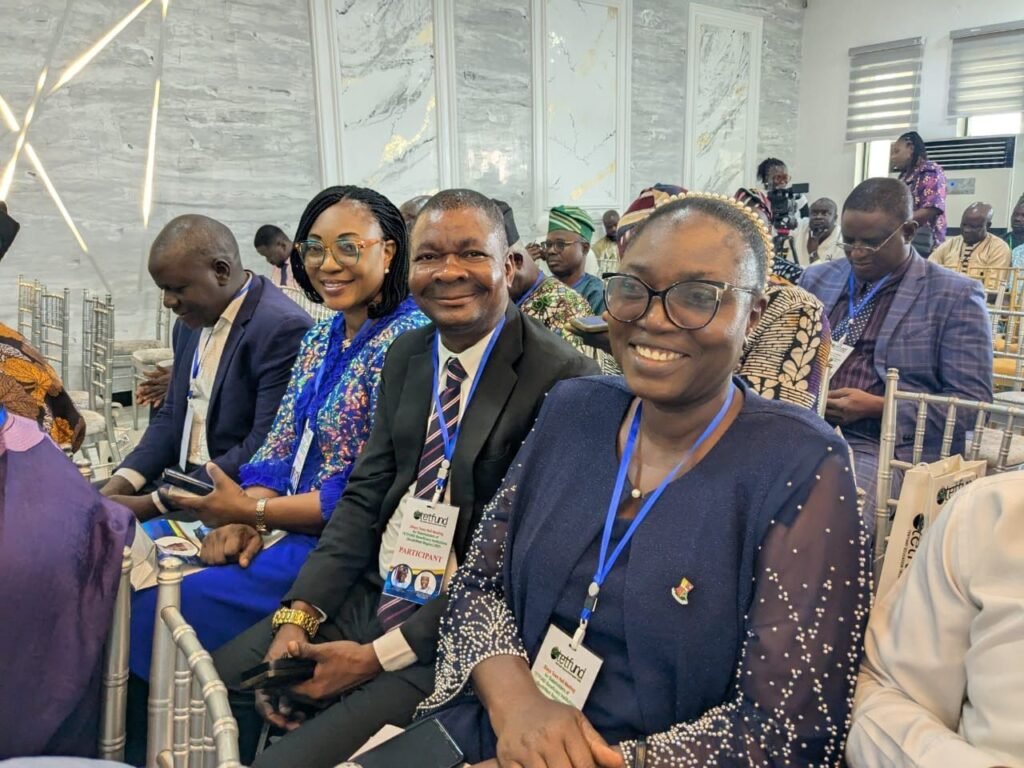
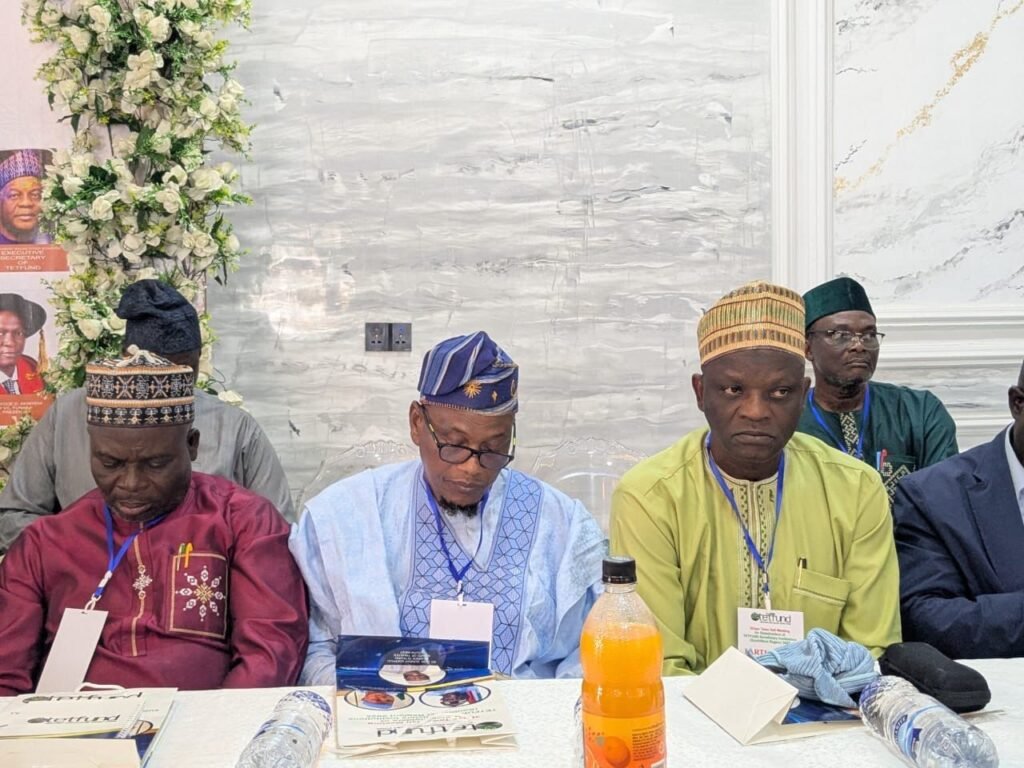
This was the focus at the South-West Stakeholders’ Town Hall Meeting for TETFund beneficiary institutions and their surrounding communities, held in Ibadan. The forum brought together key players in education, including government representatives, academics, traditional rulers, development partners, students, and community leaders.

In his opening speech, the South-West representative on the TETFund Board of Trustees, Rt. Hon. Sunday Adepoju, described the meeting as a strategic step toward promoting transparency and trust between the Fund and its beneficiaries.
“This engagement is not a routine event, but a platform for open dialogue, reflection, and collective action,” Adepoju said. “Our goal is to strengthen accountability, deepen transparency, and build stronger bonds of trust among all stakeholders in tertiary education.”
He commended the leadership of the Board under Rt. Hon. Bello Aminu Masari for initiating the nationwide town hall series and reaffirmed TETFund’s alignment with the Renewed Hope Agenda of President Bola Ahmed Tinubu, which prioritizes education as a driver of innovation and national development.
Three erudite scholars presented papers exploring the evolution, achievements, and future of TETFund.
The first paper, delivered by Professor Abiodun E. Ayodele, Director of Academic Planning at the University of Ibadan, examined “The Challenges in Tertiary Education Subsector and the Emergence of TETFund.”
Prof. Ayodele traced the Fund’s origin to the 1992 ASUU-Federal Government agreement that birthed the Education Tax Fund, later reformed as TETFund in 2011. He praised its impact on infrastructure, academic training, and research support, while warning against policy shifts that might divert its resources to the Nigerian Education Loan Fund (NELFUND), which he said could cripple tertiary education if not carefully implemented.
The second paper, presented by Professor Dapo Thomas of the Department of International Relations, Lagos State University, highlighted “The Achievements of TETFund under President Bola Ahmed Tinubu’s Administration.”
He applauded the renewed momentum and reforms being driven by the current Board of Trustees, noting that recent interventions in research, innovation hubs, and academic training reflect the administration’s commitment to repositioning the education sector as a catalyst for national growth.
In the third paper, Professor Olukayode D. Akinyemi, Deputy Vice Chancellor of Federal University of Agriculture, Abeokuta (FUNAB), spoke on “TETFund and the Future of Tertiary Education in Nigeria.”
He emphasized the need for sustainability, research commercialization, and stronger partnerships between academia and industry, stressing that TETFund must continue to evolve to meet the demands of a rapidly changing educational landscape.
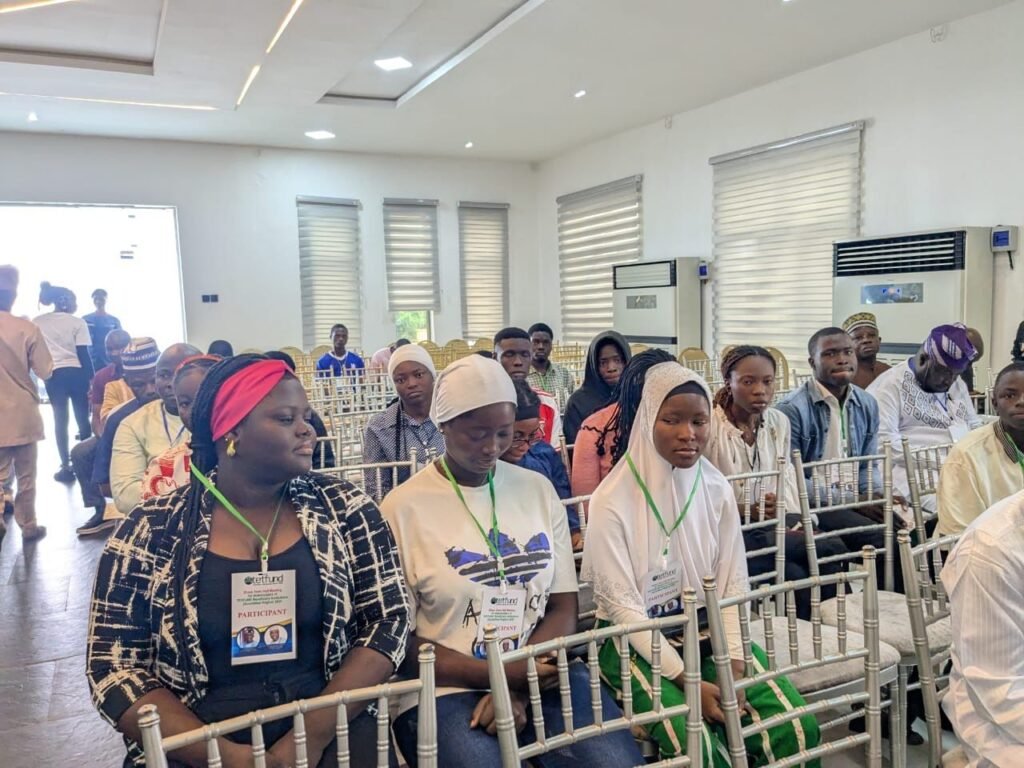
The event was well attended by representatives of several tertiary institutions, including the University of Ibadan, The Polytechnic Ibadan, and rectors from various polytechnics and colleges of education.
The National Association of Nigerian Students (NANS) also participated, representing the voice of the student community.
A major highlight of the programme was an interactive session where stakeholders engaged in robust discussions, raised questions, and offered suggestions on how TETFund interventions could be more impactful at the grassroots level.
The meeting concluded with a reaffirmation of TETFund’s dedication to promoting excellence, transparency, and innovation in Nigeria’s higher education system. Participants expressed optimism that the ongoing dialogue between the Fund, its beneficiaries, and host communities will foster deeper collaboration and drive sustainable development across tertiary institutions in the South-West and beyond.
About The Author